
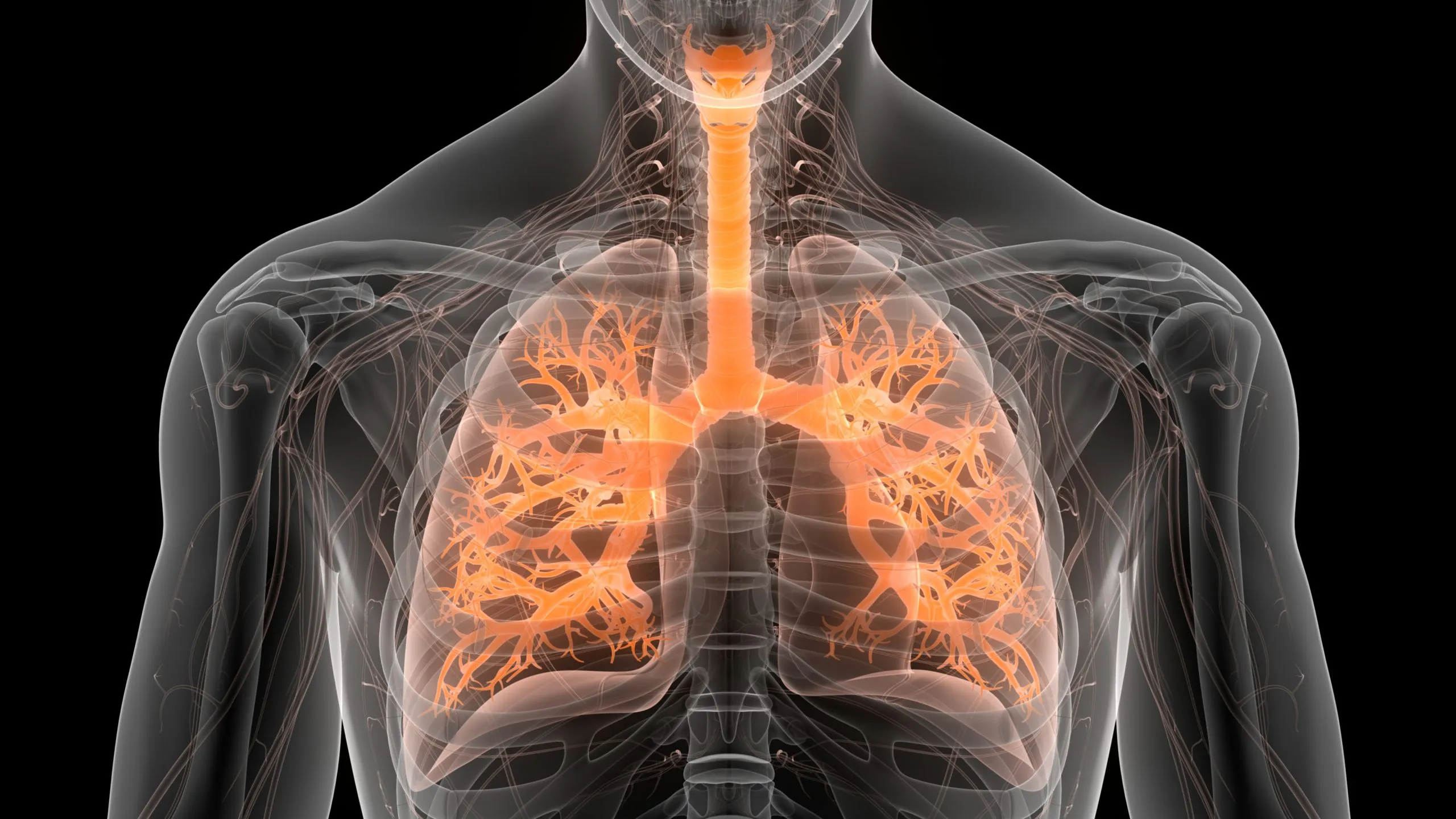
Pulmonary fibrosis symptoms commonly include progressive breathlessness and a persistent dry cough. Fatigue, reduced exercise tolerance, unexplained weight loss, aching muscles, and widened or rounded fingertips may also occur. Because these changes overlap with heart and lung conditions, symptoms need clinical evaluation rather than self-diagnosis.
What Are the First Pulmonary Fibrosis Symptoms?
Shortness of breath often begins during exertion. A person may first notice difficulty climbing stairs, walking quickly, or carrying groceries. Over time, less demanding activities may produce the same sensation.
The cough is often dry rather than mucus-producing, though respiratory infections or another condition can alter that pattern. Fatigue may become significant because breathing requires more effort and less oxygen may reach working tissues efficiently.
| Symptom | Possible early pattern | Concerning change |
| Breathlessness | During exercise | During routine activity or rest |
| Cough | Persistent and dry | Rapid worsening or blood |
| Fatigue | Reduced stamina | Inability to manage normal tasks |
| Fingers | Gradual clubbing | New change needing assessment |
A daily cough pattern journal can document whether coughing is dry, when it is strongest, and which activities produce breathlessness.
Why Do Scarred Lungs Make Breathing Difficult?
Pulmonary fibrosis causes lung tissue to become thickened and scarred. Stiffer lungs require more effort to expand, and scarred tissue can make oxygen transfer into the bloodstream less effective.
“Pulmonary fibrosis” describes a pattern rather than one single cause. Some cases are related to autoimmune disease, medicines, radiation, occupational exposure, or environmental material. When no cause is identified, a form may be classified as idiopathic.
A careful specialist research checklist should separate established medical information from claims that an unproven product can dissolve lung scarring.
How Is Pulmonary Fibrosis Investigated?
Evaluation usually includes a detailed symptom and exposure history, examination, oxygen measurement, lung-function testing, and chest imaging. High-resolution CT imaging can reveal patterns that help narrow the diagnosis.
Blood tests may look for autoimmune disease or other causes. Some patients need additional testing, such as bronchoscopy or lung biopsy, when the diagnosis remains uncertain. The exact pathway depends on imaging, health status, and the suspected type of interstitial lung disease.
The NHLBI pulmonary fibrosis guide explains symptoms, risk factors, diagnosis, and current treatment approaches.
Which Exposures Should Be Reported?
Clinicians need to know about birds, mold, farming materials, wood dust, stone or mineral dust, metal particles, chemical fumes, and previous radiation or medicine use. Even an exposure that ended years earlier may remain relevant.
Job titles alone are not enough. Two people with the same title can perform different tasks. A detailed occupational exposure history should name the materials, ventilation conditions, protective equipment, duration, and whether coworkers developed breathing problems.
Family history also matters because certain forms of pulmonary fibrosis can occur in more than one relative.
Where Diagnosis Commonly Gets Delayed
A dry cough may be blamed on allergies, reflux, asthma, or aging for months. Those are common explanations, but repeated treatment without improvement should trigger a fresh assessment.
Another problem is assuming a normal basic examination rules out early disease. Lung sounds, oxygen levels, and symptoms may not tell the full story. Yet screening every occasional cough with advanced imaging also has drawbacks, including unnecessary radiation and incidental findings. Testing should match the clinical pattern.
Red Flags and When to Get Help
Seek urgent medical care for severe or suddenly worsening breathlessness, blue or gray lips, confusion, fainting, chest pain, coughing up blood, or an oxygen level below the threshold specified by your healthcare team.
Arrange prompt evaluation when a dry cough persists, exercise tolerance keeps falling, breathing becomes progressively harder, or fingertips change shape. A sudden deterioration in someone with diagnosed pulmonary fibrosis may indicate infection, a blood clot, heart strain, or an acute lung worsening.
Frequently Asked Questions
Is every case of pulmonary fibrosis idiopathic?
No. Idiopathic pulmonary fibrosis is one specific form in which the cause remains unknown. Other forms may be associated with autoimmune disease, environmental exposure, medicines, radiation, or inherited factors.
Can pulmonary fibrosis cause a wet cough?
A dry cough is more typical, but mucus may occur with infection, airway disease, or another condition. A changing cough should be discussed with a healthcare professional.
Does normal oxygen at rest rule it out?
No. Some people maintain acceptable oxygen levels while resting but experience a drop during exertion. Clinicians may assess oxygen while the person walks or exercises.
Ask for Evaluation Before Function Shrinks Further
A persistent dry cough plus declining exercise tolerance should not be dismissed as simple aging. Record the pattern, gather exposure and medication histories, and arrange a medical assessment. Earlier identification cannot promise a cure, but it can clarify the cause and open the door to appropriate management.
This article provides general education and does not replace medical diagnosis or individualized treatment.