
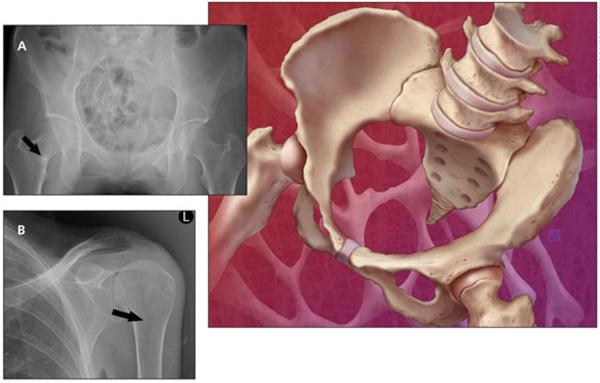
Vitamin D deficiency often causes no clear symptoms. When deficiency becomes more significant, it may contribute to bone pain, muscle weakness, aches, reduced bone density, and fractures. Tiredness can occur, but fatigue alone cannot confirm low vitamin D because it has many other possible causes.
What Does Vitamin D Deficiency Feel Like?
Some people feel no different, while others notice vague aches, weakness, or difficulty performing normal physical tasks.
Adults with severe deficiency can develop osteomalacia, in which bones become softer and painful. Muscle weakness may be most noticeable when rising from a low chair, climbing stairs, maintaining balance, or walking longer distances.
Children with severe deficiency may develop rickets, which can affect bone strength, shape, and growth. A child with bone pain, delayed growth, muscle weakness, or skeletal changes should be evaluated rather than treated with supplements alone.
Which Symptoms Are Most Meaningful?
Bone pain and muscle weakness are more strongly connected with severe vitamin D deficiency than isolated tiredness.
The pain may be described as a deep ache, often affecting the back, hips, pelvis, ribs, or legs. Muscles may feel weak or painful, and an older adult may notice increasing difficulty with balance. These symptoms still overlap with arthritis, thyroid disorders, medication effects, nerve problems, and other deficiencies.
| Symptom | Possible connection | Other possibilities |
| Deep bone pain | Osteomalacia | Injury or joint disease |
| Proximal muscle weakness | Low vitamin D effect | Nerve or muscle disorder |
| Fracture after minor injury | Reduced bone strength | Osteoporosis or trauma |
| Persistent fatigue | Nonspecific association | Sleep, anemia, thyroid issues |
Recording sun exposure habits and dietary patterns can add context during an appointment. The limitation is that neither reliably predicts a person’s blood vitamin D level.
Who Is More Likely to Become Deficient?
Risk increases when the skin produces little vitamin D, dietary intake is low, absorption is impaired, or the liver or kidneys cannot process vitamin D normally.
People who spend most of their time indoors, cover most of their skin, or live with limited sunlight may be at increased risk. Darker skin pigmentation reduces the amount of vitamin D produced from a given amount of sunlight. Conditions such as celiac disease, Crohn’s disease, and some weight-loss surgeries can reduce absorption.
Seasonal changes can influence general wellness routines, but location and season are only parts of the picture. Medication use, body composition, age, diet, and medical conditions can also matter.
How Is Vitamin D Deficiency Tested?
A blood test measuring 25-hydroxyvitamin D is commonly used to assess vitamin D status.
Testing may be considered when a person has bone pain, muscle weakness, fractures, low bone density, rickets, osteomalacia, or strong risk factors. Routine testing is not automatically necessary for every tired person.
The National Institutes of Health Office of Dietary Supplements provides a detailed vitamin D consumer fact sheet covering deficiency, food sources, supplements, and toxicity.
Treatment varies because the cause, blood level, age, diet, and other health conditions differ. A person with malabsorption or kidney disease may need a different plan from someone with limited dietary intake.
Where Self-Treatment Goes Wrong
The most common mistake is assuming that every episode of tiredness, back pain, or low mood is caused by vitamin D.
Another is taking high-dose supplements for long periods without testing or medical guidance. Excess vitamin D can raise blood calcium and cause nausea, vomiting, weakness, confusion, excessive thirst, frequent urination, kidney stones, or kidney damage.
Spending excessive time in strong sunlight is not a safe substitute for medical advice because ultraviolet exposure damages skin. Wearing comfortable outdoor clothing may support ordinary outdoor activity, but it does not guarantee adequate vitamin D production.
Red Flags: When to Seek Medical Help
Contact a clinician promptly for persistent bone pain, progressive muscle weakness, repeated falls, loss of height, or a fracture after a minor injury. Children need assessment for delayed growth, bowed legs, bone tenderness, difficulty walking, or other skeletal changes.
People taking vitamin D supplements should seek urgent advice for repeated vomiting, severe weakness, confusion, dehydration, excessive thirst, frequent urination, or an irregular heartbeat. Severe muscle spasms, seizures, breathing difficulty, or sudden inability to walk require emergency care, regardless of the suspected cause.
Frequently Asked Questions
Can vitamin D deficiency make you tired all day?
It may contribute to tiredness in some people, but fatigue is nonspecific. Sleep disorders, anemia, thyroid disease, infections, medications, stress, and many other conditions can produce the same complaint.
Is sunlight enough to correct vitamin D deficiency?
Not always. Skin pigmentation, location, season, clothing, age, medical conditions, and time outdoors all affect production. Excessive ultraviolet exposure also increases skin-damage risk.
Can you take too much vitamin D?
Yes. Excessive supplemental vitamin D can cause dangerously high calcium levels and damage the kidneys. Follow professional guidance rather than combining multiple high-dose products.
Confirm the Deficiency Before Chasing Symptoms
Persistent bone pain, muscle weakness, falls, or fractures deserve a medical evaluation. Ask whether vitamin D testing is appropriate and whether another condition could explain the symptoms. Use supplements only within a plan that considers your blood results, diet, medicines, and health history.
This article offers general education and is not a substitute for testing or treatment from a qualified healthcare professional.