
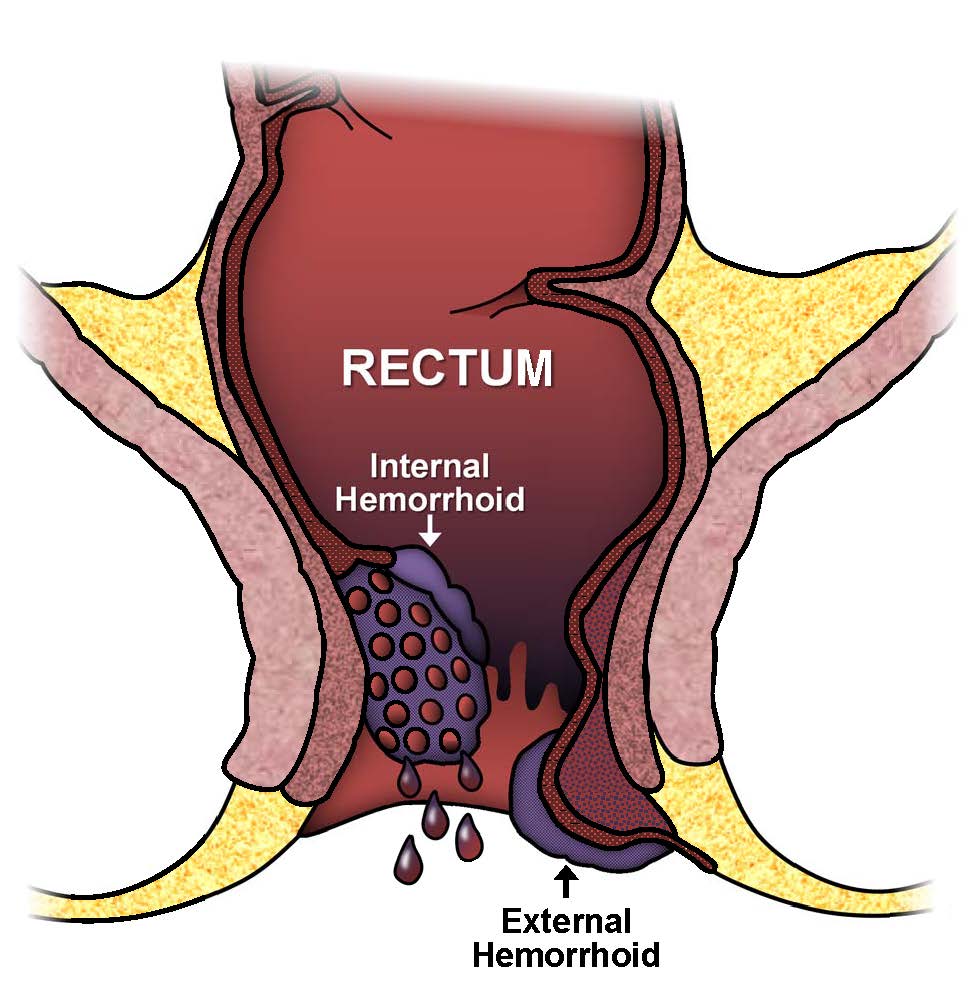
Hemorrhoids symptoms vary according to whether swollen veins form inside the lower rectum or beneath the skin around the anus. Internal hemorrhoids often cause bright-red bleeding or prolapse, while external hemorrhoids may cause itching, swelling, tenderness, or a painful lump. Rectal bleeding should still be medically assessed rather than automatically blamed on hemorrhoids.
What Do External Hemorrhoids Feel Like?
External hemorrhoids can cause anal itching, irritation, aching, swelling, or one or more tender lumps near the anus. Pain may become worse while sitting, cleaning the area, or passing stool.
A blood clot can sometimes develop inside an external hemorrhoid, creating a firm and often sharply painful lump. The discomfort may begin suddenly rather than gradually.
The NIDDK hemorrhoids guide identifies itching, tender lumps, and anal pain—especially while sitting—as common external symptoms.
A private bowel symptom record can track bleeding, pain, constipation, and stool consistency before an appointment.
How Do Internal Hemorrhoid Symptoms Differ?
Internal hemorrhoids form inside the anus or lower rectum and may not hurt unless they prolapse or become irritated. A common sign is bright-red blood on toilet paper, on the surface of stool, or in the toilet after a bowel movement.
Prolapsed tissue may feel like a soft bulge coming through the anal opening. Some people also notice mucus, irritation, or a sensation that stool remains.
Reviewing bathroom habit patterns can identify prolonged sitting, repeated straining, hard stool, or frequent diarrhea. These observations may explain irritation, but they cannot confirm that bleeding is harmless.
Which Symptoms Need a Closer Look?
Hemorrhoids overlap with anal fissures, skin irritation, infection, inflammatory bowel disease, polyps, and colorectal conditions.
| Finding | Possible hemorrhoid pattern | Reason for caution |
| Bright-red bleeding | Often associated with internal hemorrhoids | Other rectal conditions can also bleed |
| Painful external lump | May represent a clotted external hemorrhoid | Severe or persistent pain needs assessment |
| Itching and irritation | Common around external hemorrhoids | Excess cleaning may worsen symptoms |
| Protruding tissue | Possible prolapsed internal hemorrhoid | Rectal prolapse can appear similar |
Black, tarry stool is not a typical hemorrhoid finding and may indicate bleeding higher in the digestive tract.
What Habits Can Reduce Irritation?
Keeping stool soft reduces repeated pressure on swollen veins. A clinician may recommend more dietary fiber, adequate fluid intake, regular movement, and avoiding prolonged straining. NIDDK notes that high-fiber foods can make stools easier to pass and may help treat or prevent hemorrhoids.
Avoid sitting on the toilet for long periods while using a phone. Go when the urge appears, but don’t force a bowel movement. Gentle cleaning with water or unscented tissue is usually less irritating than vigorous wiping.
Combining these measures with reliable personal care reading may support better habits, though persistent bleeding or pain still requires professional assessment.
How Are Hemorrhoids Diagnosed?
A clinician may inspect the area for swelling, skin irritation, external lumps, prolapsed tissue, fissures, or other causes. A digital rectal examination or a small viewing instrument may be used to evaluate internal symptoms.
Age, bowel changes, family history, anemia symptoms, and the character of bleeding influence whether further testing is recommended. Doctors don’t assume every episode of rectal bleeding comes from hemorrhoids, even when hemorrhoids are visible.
Treatments range from bowel-habit changes and short-term symptom relief to office procedures or surgery. The correct option depends on hemorrhoid type, severity, prolapse, bleeding, and response to conservative care.
Mistakes That Keep Symptoms Going
Overcleaning is a common problem. Scrubbing, fragranced wipes, and repeated rubbing can intensify itching and inflammation.
Another mistake is using topical products continuously without checking their instructions or discussing persistent symptoms. Some products are intended only for brief use and may irritate the skin when overused. And pushing through constipation without changing stool consistency leaves the main source of pressure untouched.
The contrarian point is simple: spending less time on the toilet may matter more than buying another cream.
Red Flags: When to Get Medical Help
Seek prompt care for repeated rectal bleeding, a major change in bowel habits, unexplained weight loss, weakness, or symptoms of anemia. Obtain urgent help for heavy bleeding, faintness, black or tarry stool, severe anal pain, or bleeding accompanied by abdominal pain, diarrhea, or fever.
A new painful lump may also deserve timely assessment because treatment choices can depend on how recently the pain began.
Frequently Asked Questions
Can hemorrhoids bleed without causing pain?
Yes. Internal hemorrhoids often cause painless bright-red bleeding. Because other conditions can produce the same sign, new or repeated bleeding should be evaluated.
Are hemorrhoids caused only by constipation?
No. Constipation and straining are common contributors, but diarrhea, pregnancy, aging, prolonged toilet sitting, and other sources of pressure may also play a role.
How long do external hemorrhoid symptoms last?
Mild irritation may improve within several days, but duration varies. Persistent pain, ongoing bleeding, recurring lumps, or worsening symptoms should be assessed rather than repeatedly self-treated.
Treat the Cause and Check the Bleeding
Begin with softer stools, gentle cleaning, shorter toilet visits, and less straining. Then arrange medical assessment for new or repeated bleeding, persistent pain, or a protruding lump. Heavy bleeding, black stool, faintness, fever, or severe abdominal and anal pain requires urgent care.
This information is educational and does not replace diagnosis or treatment from a qualified healthcare professional.