
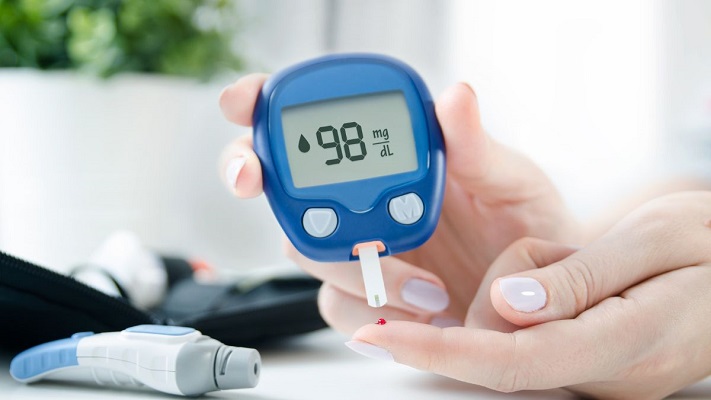
Hypoglycemia symptoms may include shaking, sweating, hunger, a fast heartbeat, dizziness, weakness, anxiety, irritability, headache, blurred vision, or confusion. Severe low blood sugar can cause unusual behavior, inability to swallow safely, seizures, or unconsciousness. Symptoms can worsen quickly, particularly in people using insulin or certain diabetes medicines.
What Does Low Blood Sugar Feel Like?
Early hypoglycemia often activates the body’s alarm system. A person may suddenly feel sweaty, shaky, hungry, nervous, lightheaded, or aware that the heart is racing.
As glucose falls further, the brain may not function normally. Speech can become unclear, coordination may worsen, and the person may appear confused, stubborn, intoxicated, or unusually emotional.
NIDDK lists shakiness, hunger, fatigue, dizziness, confusion, irritability, rapid heartbeat, headache, and difficulty seeing or speaking clearly among possible symptoms.
Which Symptoms Suggest an Emergency?
Severe hypoglycemia can cause a seizure, loss of consciousness, inability to cooperate, or inability to swallow safely. At that point, the person needs help from someone else.
Never force food or drink into the mouth of someone who is unconscious or having a seizure because choking may occur. Place the person safely on their side when possible, follow their prescribed emergency plan, use glucagon if available and you have been instructed to use it, and call emergency services.
A household emergency sheet can store medication details and emergency contacts where relatives can find them. It must reflect the person’s actual clinician-approved plan.
| Stage | Possible signs | General response |
| Early | Shaking, hunger, sweating | Check glucose when possible |
| Moderate | Confusion, blurred vision | Follow the treatment plan promptly |
| Severe | Seizure or unconsciousness | Emergency help and prescribed glucagon |
| Recovery | Fatigue or headache | Recheck and identify the trigger |
What Commonly Causes Hypoglycemia?
For people with diabetes, common triggers include too much insulin or another glucose-lowering medicine, eating less carbohydrate than expected, delaying or missing a meal, unexpected physical activity, illness, or alcohol.
Low blood sugar can also occur for other reasons, although it is less common in people who aren’t taking diabetes medication. Liver, kidney, hormonal, pancreatic, or severe systemic illness may need investigation.
The CDC notes that missed meals, excess insulin, certain diabetes medicines, increased activity, and alcohol can contribute to hypoglycemia.
Why Do Some People Miss the Warning Signs?
Repeated episodes can reduce awareness of early symptoms. This is called hypoglycemia unawareness, and it raises the risk of severe events because the person may not feel the glucose level dropping.
Warning signs may also be harder to recognize during sleep, exercise, alcohol use, or distraction. A partner might first notice sweating, restless sleep, nightmares, confusion, or unusual morning fatigue.
A glucose-event record can help connect episodes with medication timing, activity, meals, and overnight patterns. Any repeated lows should be discussed with the prescribing clinician rather than accepted as normal.
What Should You Do When Symptoms Begin?
Follow the individualized plan provided by your diabetes care team. When safe and practical, check glucose with a meter or continuous glucose monitor, but don’t delay treatment when typical symptoms are strong and testing isn’t immediately available.
An awake person who can swallow safely may use the fast-acting carbohydrate method recommended in their care plan, then recheck as directed. Afterwards, consider why the episode happened.
People who don’t have diabetes medication but experience repeated low readings or convincing episodes need medical evaluation. Self-treating indefinitely with sugary food could hide an underlying condition.
Mistakes That Make Low Blood Sugar More Dangerous
One mistake is driving through symptoms. Pull over safely and treat the episode rather than trying to reach a destination. Confusion and poor coordination can impair driving before the person realizes it.
Another mistake is changing insulin repeatedly without reviewing patterns with a clinician. The episode may involve meal timing, exercise, alcohol, kidney function, illness, or another medicine.
A portable safety checklist can remind someone to carry glucose supplies, identification, and prescribed emergency medication. Its limitation is simple: it only works when supplies are available and people nearby know what to do.
Red Flags: When to Get Medical Help
Call emergency services when a person is unconscious, having a seizure, unable to swallow, severely confused, behaving dangerously, or not improving after the steps in their emergency plan. Don’t give anything by mouth to an unconscious person.
Contact the diabetes care team promptly after any episode requiring another person’s help, repeated nighttime lows, frequent unexplained readings, or reduced awareness of symptoms. Medication and glucose targets may need adjustment. Severe hypoglycemia is dangerous and requires immediate treatment.
Frequently Asked Questions
Can hypoglycemia happen during sleep?
Yes. Nighttime signs can include sweating, nightmares, restless sleep, morning headache, unusual fatigue, or unexpectedly high or low readings after waking. Continuous glucose monitoring may help selected patients identify overnight patterns.
Can anxiety feel like low blood sugar?
Yes. Shaking, sweating, a racing heart, and nervousness can occur with either condition. Checking glucose when possible helps separate them, especially for someone using insulin or medication that can cause hypoglycemia.
Should every low reading be reported?
A single mild episode with an obvious cause may be managed under an existing plan. Recurrent, severe, unexplained, overnight, or unrecognized lows should be reviewed promptly with the prescribing clinician.
Prepare Before the Next Episode
Low blood sugar can shift from discomfort to impaired judgment within a short period. Keep treatment supplies accessible, teach close contacts how to recognize severe symptoms, and review the emergency plan regularly. After any serious or repeated episode, contact the prescribing clinician rather than solving the problem through medication changes alone.
Medical disclaimer: This article provides general education and does not replace an individualized diabetes treatment or emergency plan from a qualified healthcare professional.