
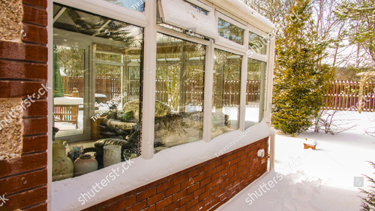
Energy renovation in a cold climate is often discussed as a catalogue of products. Better insulation, better windows, better heating and better ventilation all sound desirable.
The challenge is deciding how these elements should work together.
Windows are particularly interesting because they perform two conflicting jobs. They separate the heated interior from outdoor conditions while also creating the visual and physical connection that makes a home pleasant to live in.
For this reason, energy-efficient PVC windows should be assessed as part of the entire building envelope rather than selected by one performance number alone.
A cold-climate window upgrade begins with the building rather than the catalogue
Before replacing windows, it helps to understand why the existing rooms feel uncomfortable.
Is the problem actually the windows?
Cold areas near windows are common in older buildings.
The cause may be old glazing, air leakage around the frame or cold interior glass surfaces.
But similar discomfort can also come from poorly insulated walls, roofs or floors.
A sensible retrofit therefore starts with diagnosis.
If the windows are clearly failing, replacement may be justified. If they are relatively modern while the loft has almost no insulation, another measure could offer a larger improvement per unit of investment.
Surface temperature influences comfort
One of the less obvious benefits of better glazing is the effect on indoor comfort.
People are sensitive not only to air temperature but also to the temperature of surrounding surfaces.
A very cold window can make a seating area feel uncomfortable even when the thermostat indicates an acceptable room temperature.
Improved glazing can raise the interior surface temperature and reduce this sensation.
That can make rooms more usable during winter without changing how the home looks.
Air leakage is different from ventilation
A draught through an old frame is not controlled ventilation.
It occurs when weather conditions create pressure differences, and it may happen at exactly the time when occupants least want additional cold air.
New windows can reduce that uncontrolled leakage.
Once a building becomes tighter, however, homeowners need to think more deliberately about how fresh air enters and moisture leaves.
This is particularly important in kitchens, bathrooms and bedrooms.
The broader relationship between heat loss and replacement elements is explored in Online Døre & Vinduer’s energy guide.
Glazing choices need context
Triple glazing can be a strong choice for highly insulated buildings and large exposed window areas.
Double glazing can remain relevant in other settings.
A renovation does not have to apply one specification to every opening.
A large north-facing living-room window might justify a different approach from a small utility-room window.
This type of zoning can help keep costs under control while still improving the areas where thermal performance matters most.
Climate orientation changes the equation
Not every façade experiences the same conditions.
Wind exposure, shade and solar gain vary according to orientation and surroundings.
A sheltered southern façade and an exposed western façade therefore do not necessarily present identical renovation challenges.
PVC is also a maintenance decision
Cold climates are rarely only cold.
They can also be wet.
Exterior joinery may spend long periods exposed to rain, humidity and rapidly changing temperatures.
uPVC frames appeal to many owners because they do not need the same recurring painted protection as exposed timber.
That is a maintenance consideration rather than an energy-performance claim, but over the life of a renovation it can matter greatly.
Installation is a thermal detail
Even an excellent energy window can underperform if the connection to the wall is poorly executed.
A retrofit opening may be irregular, particularly in older masonry.
Careful measurement, positioning and sealing are therefore essential.
The interface around the frame deserves almost as much attention as the window specification itself.
Energy renovation should improve the home as a home
The final goal is not simply to achieve a lower theoretical heat-loss value.
A successful upgrade should create rooms that remain bright, comfortable and easy to ventilate.
It should respect the architecture and fit the budget.
When those objectives are considered together, window replacement becomes much more than a product purchase.
It becomes one part of a coordinated cold-climate retrofit strategy.