
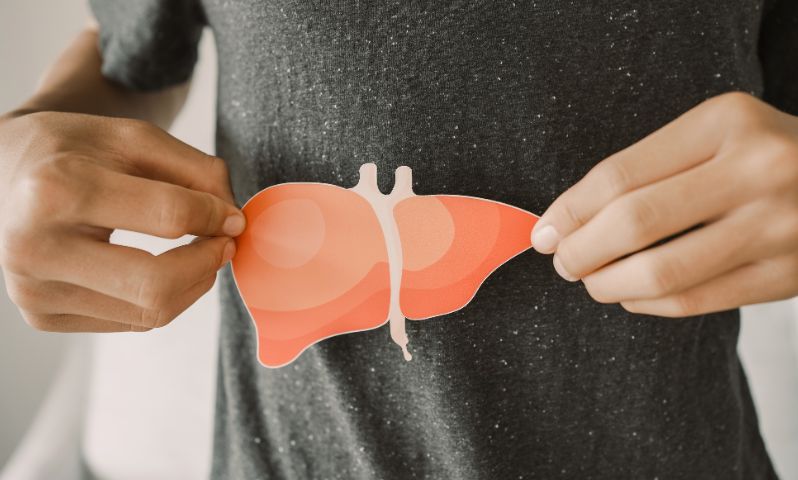
Fatty liver symptoms are usually absent, particularly during the early stages. When symptoms do occur, they may include tiredness or mild discomfort in the upper-right abdomen. Because these signs are vague, fatty liver disease is frequently discovered through blood tests or imaging performed for another reason.
The absence of symptoms doesn’t reveal whether inflammation or liver scarring is present.
Why Is Fatty Liver Disease Often Silent?
Fat can accumulate inside liver cells without immediately interfering enough with liver function to cause noticeable illness. Some people remain symptom-free for years.
The NIDDK fatty liver symptoms guide notes that people who do experience symptoms may report fatigue or discomfort in the upper-right abdomen.
The condition is increasingly called metabolic dysfunction-associated steatotic liver disease, or MASLD. Older resources may use nonalcoholic fatty liver disease, or NAFLD.
| Finding | What it may mean | Limitation |
| No symptoms | Early disease is possible | Doesn’t show severity |
| Fatigue | May occur with liver disease | Has many other causes |
| Right-side discomfort | Liver area may feel uncomfortable | Not diagnostic |
| Abnormal liver tests | Possible liver irritation | Can have other causes |
Who Is More Likely to Develop Fatty Liver?
Risk is associated with metabolic conditions, particularly obesity, type 2 diabetes, insulin resistance, and metabolic syndrome. However, fatty liver can also affect people who aren’t visibly overweight.
Family history, genetics, diet, activity, medications, and other liver conditions may influence risk. Alcohol intake also matters because alcohol-associated liver disease can produce fat accumulation and inflammation through a different pathway.
Keeping metabolic health tracking records—such as laboratory results and medication changes—may make clinical discussions more productive.
Does Fatigue Reveal How Serious the Damage Is?
No. Fatigue is common and nonspecific. Someone with mild fat accumulation may feel exhausted for unrelated reasons, while another person with significant liver inflammation may feel normal.
Symptoms can’t reliably separate simple fat accumulation from steatohepatitis, the form involving inflammation and liver damage. Fibrosis can also progress without creating a clear pain signal.
Thoughtful lifestyle health reading can support informed questions, but only medical evaluation can assess inflammation, fibrosis risk, and alternative causes of abnormal liver results.
Mistakes That Make the Problem Harder to Manage
The first mistake is trusting a “liver detox” product. Supplements aren’t required to cleanse the liver, and some herbal products can cause liver injury. NIDDK advises discussing supplements and complementary treatments with a doctor because certain remedies may damage the liver.
Rapid crash dieting is another poor strategy. Sudden weight loss and malnutrition may worsen liver disease. Gradual, sustainable changes are safer.
And normal liver enzyme results don’t always rule out fatty liver or fibrosis. Test interpretation may require medical history, repeat blood work, imaging, and noninvasive fibrosis assessment.
How Do Doctors Check for Liver Damage?
Evaluation often begins with a medical history, physical examination, and blood tests. Ultrasound may detect liver fat, though it has limitations. Other imaging methods and scoring systems may estimate fibrosis risk.
A clinician may look for an enlarged liver, insulin resistance, or late findings such as ascites, enlarged spleen, and muscle loss.
Building liver wellness awareness is useful, but the practical goal is not to chase every possible test. It is to identify who needs basic monitoring, fibrosis assessment, or specialist review.
Red Flags: When to Get Medical Help
Seek prompt medical attention for yellow skin or eyes, significant abdominal swelling, vomiting blood, black stools, severe confusion, fainting, or unusual sleepiness. These signs are not typical of uncomplicated early fatty liver and may indicate advanced liver disease or another emergency.
Arrange medical review for persistent upper-right abdominal discomfort, unexplained fatigue, abnormal liver blood tests, leg swelling, easy bruising, or known metabolic risk factors. Symptoms should be evaluated rather than automatically blamed on fatty liver.
Frequently Asked Questions
Can fatty liver cause pain after eating?
It may cause mild upper-right discomfort, but meal-related pain can also come from the gallbladder, stomach, pancreas, or other structures.
Can a thin person develop fatty liver?
Yes. Body size alone doesn’t determine risk, and genetic or metabolic factors may contribute in people without obesity.
Does fatty liver always progress to cirrhosis?
No. Progression varies. The presence of inflammation and fibrosis is more concerning than fat alone.
Ask About Fibrosis Risk, Not Symptoms Alone
When fatty liver is suspected or found on imaging, ask what the results mean for fibrosis risk and future monitoring. Review alcohol use, medicines, metabolic health, and realistic lifestyle changes with a clinician instead of waiting for pain or jaundice to force action.
This article provides general education and is not a diagnosis or a substitute for professional medical care.