
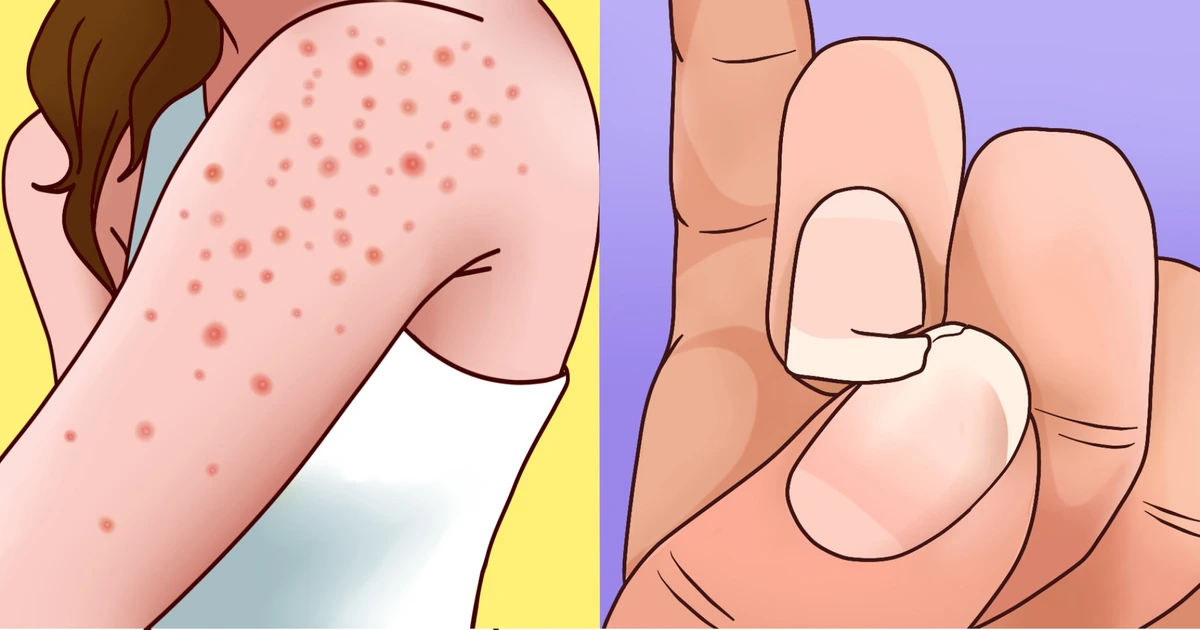
Celiac disease symptoms in adults may include bloating, diarrhea, constipation, gas, abdominal pain, nausea, greasy foul-smelling stool, fatigue, anemia, mouth problems, headaches, bone or joint pain, and an itchy skin rash. Symptoms vary widely, and some adults have few digestive complaints despite small-intestinal damage.
What Are the Digestive Signs of Celiac Disease?
Digestive symptoms may include chronic diarrhea, constipation, abdominal discomfort, gas, bloating, nausea, vomiting, and loose or bulky stool that appears greasy or smells unusually strong. Temporary lactose intolerance may occur when damage to the small intestine affects digestion.
Symptoms don’t always appear immediately after one meal. They may come and go, making the connection with gluten difficult to recognize.
| Possible Sign | How It May Appear | What to Track |
| Bloating | Abdominal swelling after meals | Timing and foods eaten |
| Diarrhea | Loose or bulky stool | Duration and frequency |
| Constipation | Hard or difficult stool | Days between movements |
| Malabsorption signs | Weight or nutrient problems | Weight, fatigue, test results |
Which Symptoms Occur Outside the Digestive System?
Adults may develop fatigue, iron-deficiency anemia, headaches, bone or joint pain, mouth ulcers, dental enamel problems, reproductive problems, tingling or numbness, or mood changes. Dermatitis herpetiformis is an intensely itchy, blistering skin rash associated with celiac disease.
Keep a food reaction journal that includes symptoms outside the gut. A record that only lists diarrhea may miss fatigue, rash, mouth sores, or neurological sensations occurring at the same time.
These symptoms aren’t unique to celiac disease. They may result from other medical conditions, which is why symptoms alone can’t confirm the diagnosis.
How Is Celiac Different From Gluten Sensitivity?
Celiac disease is a chronic digestive and immune disorder triggered by gluten in wheat, barley, and rye. The immune reaction damages the small intestine and may interfere with nutrient absorption.
Non-celiac gluten sensitivity can cause digestive discomfort and tiredness but doesn’t produce the same small-intestinal damage. Wheat allergy is a different immune reaction and may cause symptoms such as itching, swelling, hives, or breathing difficulty.
Use a gluten exposure record to note foods, symptoms, timing, and hidden ingredients. But don’t use symptom improvement after avoiding bread as proof of celiac disease. Several food components and digestive disorders can create similar patterns.
Should You Stop Eating Gluten Before Testing?
No—not before discussing testing with a clinician. Starting a gluten-free diet can lower celiac-related antibody levels and allow the intestinal lining to begin healing, which may make diagnostic results less accurate.
Doctors commonly begin with blood tests and may confirm the diagnosis using biopsies from the small intestine. For accurate testing, the person generally needs to be eating gluten during the diagnostic process.
Prepare a testing question sheet covering your symptoms, family history, current diet, previous nutrient deficiencies, and whether you have already reduced gluten. Don’t restart gluten independently if you previously had a severe reaction; ask a clinician how testing should proceed.
Common Mistakes After Suspecting Celiac Disease
The biggest error is self-diagnosing from bloating alone. Bloating is common and may be related to IBS, lactose intolerance, constipation, infection, or other conditions.
Another mistake is beginning a strict gluten-free diet before testing. That may complicate diagnosis and leave uncertainty about whether lifelong restriction is necessary.
People also underestimate cross-contact and hidden gluten after receiving a confirmed diagnosis. A registered dietitian can help identify gluten in packaged foods, restaurant meals, supplements, and shared preparation areas. The limitation is that professional dietary support may not be available immediately in every location.
Red Flags: When to Get Medical Help
Seek prompt medical care for severe dehydration, persistent vomiting, black or bloody stool, fainting, confusion, intense abdominal pain, rapid unintended weight loss, or inability to keep food and fluids down.
Contact a clinician for ongoing diarrhea or constipation, unexplained anemia, persistent fatigue, greasy stool, weight loss, recurrent mouth ulcers, or an intensely itchy blistering rash. Trouble breathing, facial swelling, or throat tightness after eating wheat may represent an allergic emergency rather than celiac disease; call emergency services immediately.
Frequently Asked Questions
Can adults have celiac disease without diarrhea?
Yes. Adults may primarily experience anemia, fatigue, constipation, bone problems, headaches, mouth sores, rash, or neurological symptoms. Some have few noticeable symptoms despite intestinal damage.
How soon do celiac symptoms appear after gluten?
Timing varies. Some people notice symptoms within hours, while others experience delayed or inconsistent changes. Symptom timing alone can’t confirm or exclude celiac disease.
Is a home celiac test enough for diagnosis?
No. Home testing can’t replace a complete medical assessment. Doctors usually consider history, antibody blood tests, and often small-intestinal biopsies before confirming the diagnosis.
Get Tested Before Rebuilding Your Diet
Document two weeks of meals, bowel changes, fatigue, skin symptoms, and family history, then discuss formal testing before removing gluten. A confirmed diagnosis gives you a clear reason for lifelong dietary changes and helps your care team check for anemia, nutrient deficiencies, and bone-health concerns.
This article offers general education and isn’t a diagnosis or personalized dietary recommendation.