
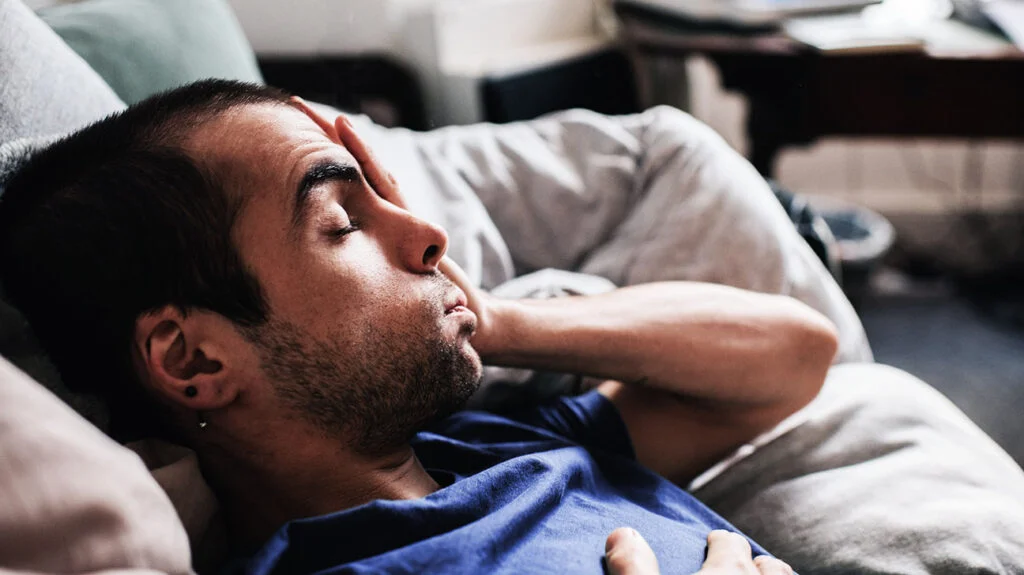
Narcolepsy symptoms often include overwhelming daytime sleepiness and sudden sleep attacks, even after adequate nighttime sleep. Some people also experience muscle weakness triggered by emotion, vivid dreamlike experiences, sleep paralysis, or broken nighttime sleep. These symptoms can resemble exhaustion, depression, seizures, or poor motivation, so a professional sleep evaluation matters.
What Does a Narcolepsy Sleep Attack Feel Like?
A sleep attack is a rapid, powerful wave of sleepiness that can become difficult to resist. It may happen during a meeting, conversation, meal, class, commute, or another ordinary activity.
The National Institute of Neurological Disorders and Stroke describes narcoleptic sleepiness as an overwhelming feeling that can arrive quickly. Between attacks, a person may feel more alert before sleepiness returns.
A sleep attack isn’t always dramatic. Someone may briefly nod off, continue writing illegibly, miss part of a conversation, or perform an automatic action without remembering it clearly.
Core Narcolepsy Symptoms Explained
Excessive daytime sleepiness is the central symptom. Other features differ between people, and not everyone experiences every sign.
| Symptom | Simple description | Possible situation |
| Sleep attack | Sudden irresistible sleepiness | Nodding off during a meeting |
| Cataplexy | Brief muscle weakness with emotion | Knees weaken while laughing |
| Sleep paralysis | Temporary inability to move | Awake but frozen at bedtime |
| Hallucinations | Vivid dreamlike experience | Seeing a figure while waking |
Cataplexy can involve drooping eyelids, a slack jaw, head dropping, weak knees, or collapse while awareness remains present. It’s often triggered by laughter, surprise, excitement, or anger.
Using daytime routine planning may help someone prepare for predictable periods of sleepiness, but planning cannot make dangerous activities safe during an attack.
Why Nighttime Sleep May Still Be Poor
Narcolepsy isn’t simply sleeping too much. Many affected people experience fragmented nighttime sleep, frequent awakenings, vivid dreams, or rapid transitions between wakefulness and dream sleep.
That creates a frustrating contradiction: intense daytime sleepiness alongside an inability to remain asleep throughout the night. Friends may struggle to understand why someone who naps unexpectedly still complains about poor sleep.
Sleep paralysis and vivid hallucinations can be frightening, particularly before the person knows they are linked to sleep transitions. They don’t automatically indicate psychosis, although hallucinations occurring during full daytime wakefulness require broader clinical assessment.
When Symptoms Are Mistaken for Other Problems
Narcolepsy may be mistaken for laziness, insufficient sleep, depression, attention problems, epilepsy, fainting, or substance effects. Children may appear inattentive, irritable, or academically disengaged.
Cataplexy can be confused with seizures because the person may suddenly lose muscle control. A key difference is that awareness is often preserved during cataplexy, but only a clinician can evaluate an uncertain event safely.
Another mistake is assuming a long night’s sleep rules out narcolepsy. The condition concerns sleep-wake regulation, not merely the total time spent in bed.
Safety Changes Before Diagnosis
Until sudden sleepiness is assessed, driving and other hazardous activities deserve serious caution. A brief lapse while operating a vehicle, working at height, cooking over an open flame, or using machinery can cause major harm.
Practical safer home adjustments may reduce some everyday risks. One limitation is that environmental changes cannot predict every attack or replace clinical treatment.
Scheduled naps may help some people manage symptoms, but timing and effectiveness vary. Caffeine can temporarily increase alertness, yet relying on large amounts may disturb nighttime sleep or produce other unwanted effects.
How Narcolepsy Is Evaluated and Managed
A sleep specialist may review symptoms, sleep schedules, medications, mental health, substance use, and other possible causes of sleepiness. A sleep diary or activity monitor may be used before formal testing.
Testing often includes an overnight sleep study followed by a daytime test that measures how quickly someone falls asleep and enters particular sleep stages. The goal is also to exclude sleep deprivation, sleep apnea, medication effects, and other disorders.
Those exploring local care resources should confirm that the provider evaluates neurological sleep disorders and can arrange appropriate testing.
Management may include medication, planned naps, consistent sleep timing, workplace or school accommodations, and safety planning. No single method works equally for everyone, and medication requires professional review.
Red Flags and When to Get Help
Seek prompt medical evaluation for repeated uncontrollable sleep episodes, sudden muscle weakness, unexplained collapses, severe daytime sleepiness, or symptoms affecting driving and workplace safety. Stop driving and move to a safe setting when overwhelming sleepiness develops.
Emergency care is needed for a first suspected seizure, prolonged loss of consciousness, serious injury, breathing difficulty, chest pain, one-sided weakness, or confusion that doesn’t quickly resolve. Sudden collapse shouldn’t be labeled narcolepsy without assessment.
Frequently Asked Questions
Can people with narcolepsy stay awake when interested?
Interest or stimulation may temporarily increase alertness, but it doesn’t eliminate the underlying sleepiness. Attacks may still occur during enjoyable or important activities.
Is cataplexy the same as fainting?
No. During cataplexy, muscle tone may suddenly weaken while consciousness is usually maintained. Fainting generally involves a temporary loss of consciousness, although real events require professional evaluation.
Does narcolepsy cause constant sleeping?
Not necessarily. People may have short sleep attacks, persistent drowsiness, fragmented nighttime sleep, or periods of normal alertness between episodes.
Protect Safety Before Chasing Productivity
Record sleep attacks, naps, nighttime awakenings, emotional triggers, medication use, and any episodes of muscle weakness. Share the record with a sleep specialist and avoid driving when drowsy. Narcolepsy symptoms aren’t a failure of discipline; sudden sleepiness is a medical concern that requires accurate testing and a practical safety plan.
This article is educational and does not diagnose narcolepsy or replace care from a qualified healthcare professional.