
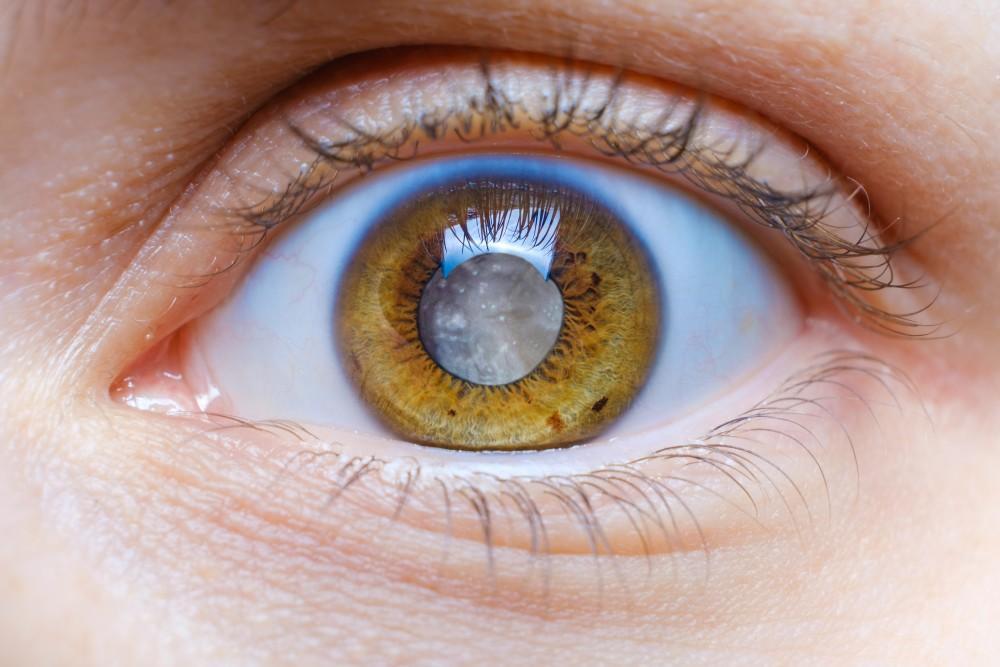
Cataract symptoms usually develop slowly and may include cloudy or blurry sight, faded colors, glare, halos, poor night vision, double vision in one eye, and frequent prescription changes. Early cataracts may cause no noticeable problems. As lens clouding advances, reading, driving, and recognizing faces can become increasingly difficult.
What Does Vision Through a Cataract Feel Like?
Many people describe the change as looking through a dirty or fogged window. Details lose sharpness, colors look duller, and brighter lighting may be needed for reading. Symptoms can affect one eye more than the other.
The National Eye Institute’s cataract guide lists blurry vision, faded colors, light sensitivity, night-vision difficulty, and double vision among later symptoms. A dilated eye examination is used to diagnose the condition.
| Symptom | Everyday example | Possible effect |
| Cloudy vision | Faces look hazy | Reduced detail |
| Glare | Headlights seem harsh | Driving difficulty |
| Faded colors | Whites look yellowish | Poor color contrast |
| Double vision | Two images in one eye | Reading problems |
Why Do Headlights and Glare Become Troublesome?
A clear lens focuses light cleanly onto the retina. When the lens becomes cloudy, light scatters rather than passing through evenly. Bright lamps, sunlight, and oncoming headlights can therefore create glare or halos.
Small changes in daily vision care may help temporarily. Brighter task lighting, anti-glare positioning, updated glasses, and avoiding night driving when vision feels unsafe can reduce day-to-day difficulty. These measures don’t remove the cataract.
Glare may become disabling even when a person can still read much of an eye chart. Real-world function matters, especially when driving or working around machinery.
How Quickly Do Cataract Symptoms Get Worse?
Most age-related cataracts progress gradually, but the pace differs between people and between eyes. Some remain mild for years, while others interfere with daily activity sooner. Diabetes, eye injury, steroid exposure, smoking, and other factors may influence risk or progression.
Changes in aging and lifestyle patterns can make symptoms easier to recognize. Someone may first notice that nighttime driving has become uncomfortable, then realize that colors and indoor contrast have also declined.
A cataract doesn’t usually create sudden complete vision loss. Abrupt changes, flashes, many new floaters, or a curtain-like shadow suggest another problem and require urgent assessment.
When Is Cataract Surgery Considered?
Surgery is generally considered when cataract-related vision interferes with activities that matter to the person, such as reading, driving, employment, medication management, or independent living. The cloudy natural lens is removed and replaced with an artificial intraocular lens.
Healthcare cost planning may be part of future household budgeting, but timing shouldn’t be based on price or age alone. A person with a mild cataract may not need surgery yet, while someone whose vision creates a safety risk may benefit sooner.
Cataract surgery is common and often effective, but no surgery is risk-free. Possible complications include infection, swelling, bleeding, pressure changes, retinal detachment, and vision problems. Discuss lens choices and realistic expectations with the surgeon.
Mistakes That Delay the Right Decision
Some people wait until they can barely see because they believe a cataract must become “ripe.” Modern decisions are usually based more on visual function and examination findings. The opposite mistake is assuming every blurry change comes from a cataract.
Dry eye, glaucoma, retinal disease, corneal disorders, and prescription changes can produce overlapping symptoms. Surgery removes lens clouding but won’t correct vision loss caused by another untreated condition. A full examination should explain which problem is limiting sight before a procedure is scheduled.
Red Flags: When to Get Medical Help
Seek urgent eye care for sudden vision loss, severe eye pain, a new curtain or shadow, flashes of light, or a sudden shower of floaters. These aren’t typical signs of a slowly progressing cataract and may indicate retinal detachment, acute glaucoma, or another emergency.
Prompt assessment is also sensible when vision changes make driving, walking, reading medicine labels, or working unsafe. After cataract surgery, increasing pain, worsening redness, discharge, or sudden visual decline requires immediate contact with the surgical team.
Frequently Asked Questions
Can cataracts cause double vision in one eye?
Yes. Lens clouding may produce double or multiple images in the affected eye, particularly during certain stages of cataract development.
Will stronger glasses always fix cataract blur?
Updated glasses may help early symptoms, but their benefit decreases as lens clouding advances. Persistent functional problems may require a surgical discussion.
Can a cataract grow back after surgery?
The removed natural lens doesn’t grow back. However, the capsule behind the artificial lens may later become cloudy and can often be treated with a laser procedure.
Base the Decision on Daily Function
Schedule a dilated examination when cloudiness, glare, or night-driving difficulty begins changing how you live. Track which activities have become harder and discuss them during the visit. Cataract treatment isn’t about reaching a certain birthday; it’s about restoring useful vision when the expected benefit outweighs the limitations.
This information is educational and does not replace diagnosis or treatment from a qualified eye-care professional.