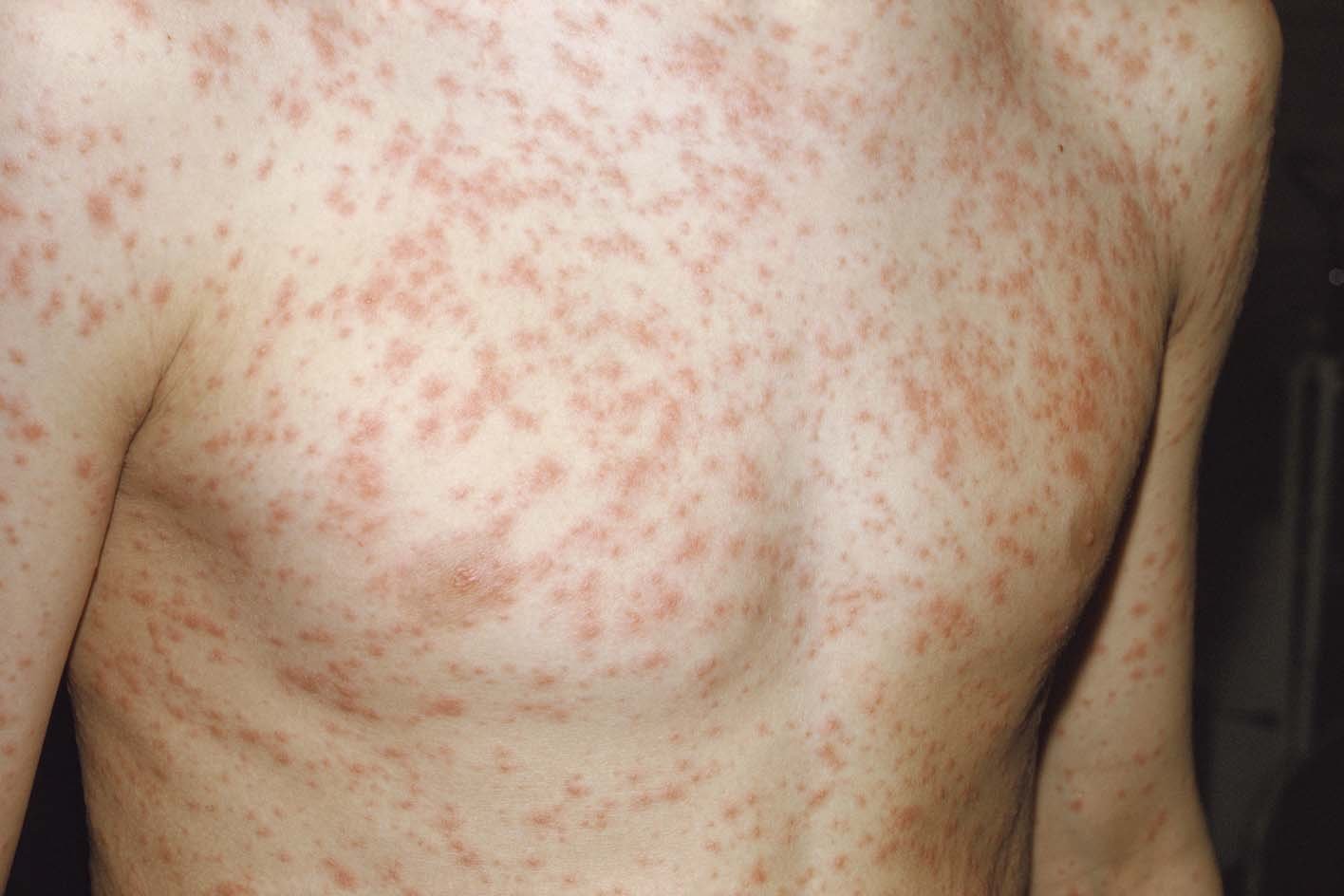
Rubella symptoms are often mild and may include a low fever, headache, runny nose, red eyes, swollen lymph nodes, and a fine rash that begins on the face. Some infected people have no obvious symptoms. The major danger is infection during pregnancy because the virus can severely harm a developing baby.
What Are the First Symptoms of Rubella?
In children, the rash may be the first noticeable sign. It usually begins on the face, spreads to the rest of the body, and lasts about three days. Adults may experience several mild symptoms before the rash appears.
The CDC’s rubella symptom guidance lists low-grade fever, headache, mild pink eye, swollen lymph nodes, cough, runny nose, and general discomfort among possible symptoms.
Lymph nodes behind the ears or at the back of the neck may become enlarged and tender. Joint pain or stiffness can occur, particularly in adult women.
What Does the Rubella Rash Look Like?
Rubella generally causes a fine pink or red rash. It begins on the face and spreads downward, sometimes covering the body within a day. The spots may merge, but the rash often remains lighter and shorter-lived than the classic measles rash.
| Feature | Rubella | Measles |
| Fever | Often low-grade | Frequently high |
| Rash duration | Commonly about 3 days | Often lasts longer |
| Respiratory illness | Usually mild | Cough and runny nose often prominent |
| Main concern | Pregnancy complications | Severe illness and contagious spread |
A calm approach to pregnancy-safe home planning can support daily routines, but suspected rubella exposure during pregnancy requires immediate professional guidance.
Why Is Rubella Dangerous During Pregnancy?
Rubella may be mild for the pregnant person while causing devastating fetal consequences. Infection during pregnancy can increase the risk of miscarriage, stillbirth, and congenital rubella syndrome, which may cause severe lifelong birth defects.
Anyone who is pregnant and develops a compatible rash, learns of an exposure, or is uncertain about immunity should call an obstetric clinician promptly. Don’t enter a clinic without warning staff because precautions may be necessary.
Bring vaccination records and clear exposure notes covering dates, locations, close contacts, travel, and when symptoms began. Small timeline details can influence testing decisions.
Can Rubella Be Identified From the Rash Alone?
No. Rubella resembles several other viral rashes, allergic reactions, and medication-related eruptions. Many cases are so mild that they go unnoticed, and some infected people never develop recognizable symptoms.
Laboratory testing may be needed because clinical appearance alone is unreliable. Testing must be interpreted carefully during pregnancy, so home test assumptions or isolated online laboratory explanations can create unnecessary alarm.
One harmful mistake is dismissing the illness because the fever is low. Another is assuming that every three-day rash must be rubella. Reliable vaccination reminders can support prevention, but suspected infection still needs case-specific medical and public-health assessment.
How Should Suspected Rubella Be Managed Around Others?
Call a healthcare provider and follow isolation instructions. Avoid close contact with pregnant people and anyone whose immunity is uncertain. Stay away from work, school, childcare, medical waiting rooms, and social gatherings until professionals advise that isolation can end.
Rubella spreads through respiratory droplets and can be transmitted before the rash becomes visible. This makes early reporting important after a known exposure, even when the person feels only mildly unwell.
People planning pregnancy should review their vaccination documentation beforehand. Vaccination decisions during pregnancy require professional guidance because the standard MMR vaccine isn’t routinely administered to pregnant patients.
Red Flags and When to Get Help
Pregnant people should contact their obstetric clinician immediately after suspected rubella exposure, a new compatible rash, or uncertainty about immunity. Seek urgent care for breathing difficulty, confusion, seizures, severe headache, stiff neck, unusual bleeding, profound weakness, or rapid deterioration. Call ahead before visiting any facility so staff can arrange infection-control precautions and protect other pregnant patients.
Frequently Asked Questions
Can rubella occur without a rash?
Yes. Some infected people have mild nonspecific symptoms, and others have no noticeable symptoms. Laboratory evaluation may be needed after a significant exposure.
Is rubella always mild in adults?
No. Adults may experience joint pain or arthritis, and rare neurological or bleeding complications can occur. Its most serious impact remains infection during pregnancy.
Are rubella and measles caused by the same virus?
No. They are separate viral diseases. Their rashes can look similar, but their timelines, severity patterns, complications, and public-health management differ.
Report Exposure Before Symptoms Become Severe
Don’t wait for a dramatic fever or widespread rash. Anyone who is pregnant—or who has recently been around a pregnant person—should report suspected rubella exposure promptly. Call ahead, provide the exact timeline, and let medical and public-health professionals guide testing, isolation, and follow-up.
This information is educational and isn’t a substitute for diagnosis or personalized medical care.