
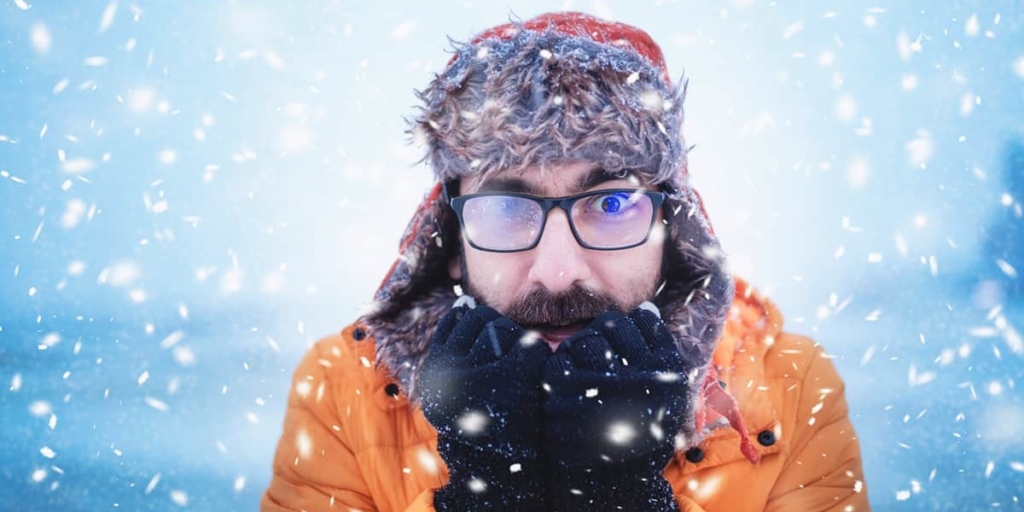
Hypothermia symptoms commonly begin with shivering, exhaustion, fumbling hands, poor coordination, memory problems, slurred speech, and confusion. As body temperature continues to fall, shivering may weaken or stop, and the person can become drowsy or unconscious. Hypothermia is a medical emergency requiring careful warming and immediate professional help.
What Are the First Warning Signs of Hypothermia?
Early signs may look ordinary: intense shivering, tiredness, pale skin, numb fingers, and trouble completing simple tasks. Yet clumsiness and slowed thinking can indicate that cooling is already affecting the nervous system.
Ask the person simple questions. Confused answers, unusual irritability, slurred speech, or an inability to handle zippers and buttons are warning signs—not harmless reactions to discomfort.
| Stage | Possible signs | Main concern |
| Early cooling | Shivering, fatigue, numbness | Continued heat loss |
| Worsening | Fumbling, confusion, slurred speech | Brain function affected |
| Severe | Weak or absent shivering, drowsiness | Dangerous loss of heat |
| Critical | Unconsciousness, abnormal breathing | Immediate life threat |
Can Hypothermia Happen Above Freezing?
Yes. Hypothermia can occur in cool conditions when rain, sweat, wind, or cold water removes heat from the body. Wet clothing is especially dangerous because it reduces insulation and accelerates heat loss.
Good cold-weather preparation includes dry spare clothing, shelter, communication, and an exit plan. A mild forecast doesn’t guarantee safety when a person is wet, exhausted, injured, or unable to keep moving.
Cold-water immersion can cool the body rapidly. Even strong swimmers may lose useful hand movement and coordination before they realize how serious the situation has become.
What Should You Do While Waiting for Help?
Call emergency services, move the person into shelter, and remove wet clothing carefully. Replace it with dry layers and warm the center of the body—the chest, neck, head, and groin—using blankets or safe warm packs.
A prepared layered clothing plan reduces preventable exposure, but clothing alone isn’t treatment once confusion or slurred speech begins.
Handle the person gently. Avoid vigorous rubbing or forcing them to walk. If the person is fully awake and able to swallow, a warm nonalcoholic drink may be reasonable while help is coming. Don’t give anything by mouth to someone who is drowsy or confused.
Who Faces the Greatest Cold-Exposure Risk?
People at higher risk include older adults, infants, outdoor workers, hikers, people experiencing homelessness, and anyone affected by exhaustion, injury, poor nutrition, alcohol, or certain medicines.
Community cold-safety guidance can help households identify warming locations and check people living alone. Still, community preparation cannot replace emergency treatment when neurological symptoms appear.
Babies may not shiver visibly. CDC lists bright red, cold skin and unusually low energy as warning signs in infants.
Which Warming Mistakes Should You Avoid?
Don’t place a severely cold person in a very hot bath. Sudden or intense external heat can be difficult to control, and moving a confused person into a tub creates a drowning risk.
Avoid direct heating of the arms and legs before warming the body’s center. Don’t rub numb skin, apply heating pads directly to bare skin, or give alcohol. Alcohol may create a false sensation of warmth while increasing heat loss.
And never assume that stopped shivering means recovery. In severe hypothermia, shivering may stop because the body can no longer produce enough heat.
Red Flags: When Is Hypothermia an Emergency?
Seek immediate emergency help for confusion, slurred speech, fumbling hands, severe drowsiness, inability to walk normally, weak or absent shivering, unusual breathing, or unconsciousness after cold exposure. CDC identifies hypothermia as a medical emergency and recommends warming the body’s center while waiting for help. Begin CPR if the person is not breathing and you are trained, following emergency dispatcher instructions.
Warm the Core and Call for Help
Move the person out of wind and moisture, replace wet clothing, insulate them from the ground, and warm the chest and core gently. Hypothermia symptoms can impair judgment, so affected people may insist they are fine when they aren’t. The next step is emergency assistance—not walking it off, drinking alcohol, or applying uncontrolled direct heat.
This information is educational and cannot replace emergency assessment or care from qualified medical professionals.
Frequently Asked Questions
Can hypothermia occur inside a house?
Yes. Poor heating, power outages, wet clothing, illness, and limited mobility can allow body temperature to fall indoors, especially in older adults and infants.
Why does severe hypothermia sometimes stop shivering?
Shivering requires energy. As body cooling becomes severe, the nervous system and muscles may no longer generate an effective shivering response. Stopped shivering in a very cold person is a danger sign.
Should you massage cold hands and feet?
No. Vigorous rubbing may damage cold tissue and can move colder blood toward the body’s core. Protect the area and focus on gentle central warming while seeking medical care.