
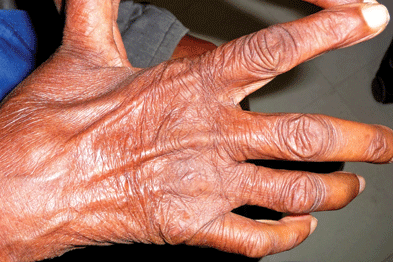
Leprosy symptoms usually involve pale, reddish, or discolored skin patches with reduced feeling. Numbness, tingling, muscle weakness, painless wounds, thickened nerves, eye problems, or nasal symptoms may develop as the disease progresses. Leprosy is curable, but delayed treatment can allow permanent nerve damage and disability to develop.
What do early leprosy skin patches look like?
Early patches may appear lighter, darker, or redder than the surrounding skin. They can be flat or raised and may feel dry, thickened, or unusually smooth. The most meaningful clue is loss of sensation within the patch—not its color alone.
A person may not feel light touch, heat, cold, or pain normally. Because the patch does not hurt or itch much, it can remain unnoticed for months or be mistaken for eczema, vitiligo, a fungal infection, or an old scar.
Using skin-protective home habits may reduce burns and cuts while numbness is being assessed. Protective routines cannot treat the underlying bacterial infection.
How does leprosy damage the nerves?
Leprosy bacteria can affect peripheral nerves, especially those serving the hands, feet, face, and skin. Inflamed or enlarged nerves may lead to numbness, pins and needles, burning sensations, weakness, or loss of muscle control.
| Affected area | Possible sign | Practical risk |
| Skin | Numb pale or red patch | Burns go unnoticed |
| Hands | Weak grip or numb fingers | Repeated injuries |
| Feet | Painless ulcers | Infection and tissue damage |
| Face and eyes | Weak eyelid closure | Eye injury |
The bacteria do not make fingers or toes suddenly fall off. Instead, nerve damage can hide repeated burns, cuts, pressure wounds, and infections. Untreated muscle weakness can also change the shape and function of the hands or feet.
Keeping family awareness notes may help document when sensation changed or weakness began. Avoid repeatedly testing numb areas with pins, flames, or hot objects because that can cause injury.
Are nasal and eye symptoms possible?
Leprosy may affect the lining of the nose, producing congestion, nosebleeds, or chronic irritation. Facial disease can cause swelling, lumps, loss of eyebrows or eyelashes, and changes around the earlobes.
Eye involvement may reduce blinking or prevent the eyelids from closing fully. When sensation is also reduced, dust, dryness, and small injuries may damage the eye without producing normal pain.
These complications are not inevitable. Early recognition and antibiotic treatment can stop the infection and reduce the likelihood of further disability.
How is leprosy diagnosed and treated?
Diagnosis begins with examination of skin lesions and sensation. Clinicians may assess peripheral nerves and muscle strength, then confirm difficult cases with a skin or nerve biopsy and specialized staining.
The WHO leprosy fact sheet identifies loss of sensation in a pale or reddish patch, nerve enlargement with sensory or muscle loss, and detection of the bacteria as cardinal diagnostic signs.
Treatment uses a combination of antibiotics rather than one drug alone. Therapy can cure the infection, but established nerve damage may require rehabilitation, protective footwear, wound care, or surgery. Long treatment periods can affect work, making long-term care budgeting a practical consideration without changing the medical plan.
Myths and mistakes that cause lasting harm
Leprosy is not easily spread through casual contact. Shaking hands, sitting beside someone, talking, or sharing an ordinary workspace does not normally transmit it. Infection generally requires prolonged, close exposure to someone with untreated disease.
Stigma remains one of the biggest barriers to treatment. People may hide patches or numbness because they fear rejection, allowing nerve damage to progress.
Another mistake is treating every light patch with antifungal or bleaching products for months. A patch with reduced sensation or nearby weakness deserves clinical assessment even if it looks harmless.
Red flags: when to seek prompt medical care
Arrange prompt evaluation for numb skin patches, new hand or foot weakness, painless ulcers, repeated unnoticed burns, enlarged tender nerves, difficulty closing an eye, worsening vision, severe nerve pain, or rapidly increasing redness and swelling around an existing lesion. Fever, sudden nerve pain, or abrupt weakness during treatment may indicate an inflammatory reaction requiring urgent professional care.
Is leprosy highly contagious?
No. It is difficult to spread and generally requires prolonged close contact with a person who has untreated disease.
How long can leprosy take to appear?
The bacteria grow slowly, and symptoms can emerge years after exposure. In some cases, signs may take as long as 20 years to appear.
Can sensation return after treatment?
Some nerve function may improve when treatment begins early, but established damage can be permanent. Rehabilitation and protective care may still prevent further injuries.
Have numb patches examined early
A pale or reddish patch is not enough to diagnose leprosy, but loss of sensation changes the picture. Arrange an examination before repeated injuries or muscle weakness develop. Early antibiotic treatment can cure the infection and protect long-term function.
This information is educational and does not replace examination, testing, or treatment from a qualified healthcare professional.