
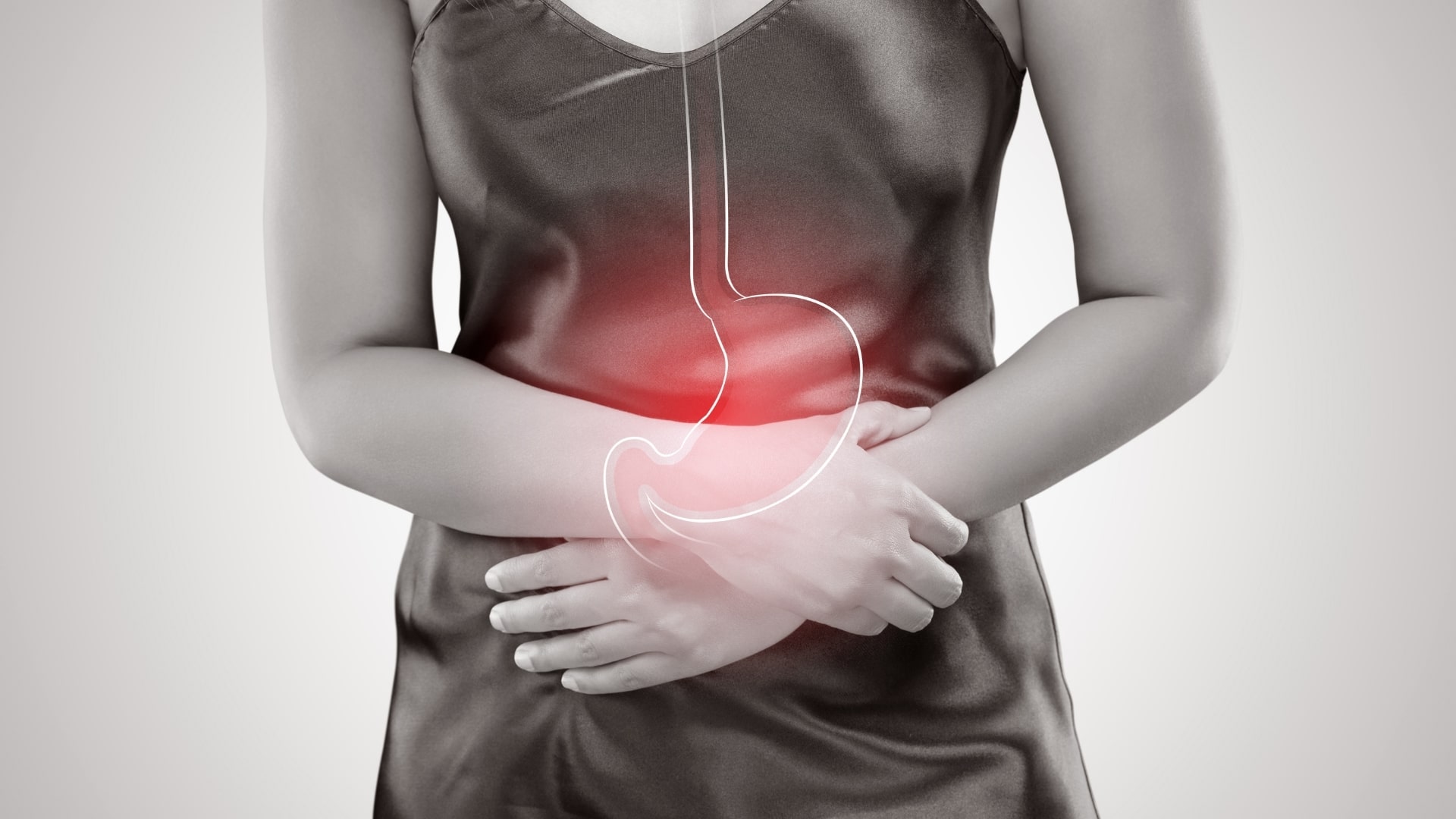
Gastritis symptoms may include upper abdominal pain or discomfort, nausea, vomiting, early fullness, reduced appetite, belching, or bloating. Some people with stomach-lining inflammation have no symptoms at all. Because indigestion has many possible causes, ongoing pain or bleeding signs should be medically evaluated rather than labeled as gastritis at home.
What Does Gastritis Pain Usually Feel Like?
Discomfort is often located in the upper middle abdomen, below the breastbone. People may describe aching, burning, gnawing, heaviness, or tenderness. Eating can improve symptoms in one person and worsen them in another.
The National Institute of Diabetes and Digestive and Kidney Diseases states that many people with gastritis or gastropathy have no symptoms. When symptoms occur, they may include upper abdominal discomfort, nausea, vomiting, early fullness, excessive fullness after eating, appetite loss, and weight loss.
The NIDDK gastritis information also explains that indigestion symptoms cannot reveal the underlying cause by themselves.
What Can Cause Stomach-Lining Inflammation?
Helicobacter pylori infection is a major cause of gastritis. Other possibilities include frequent use of nonsteroidal anti-inflammatory drugs, alcohol exposure, autoimmune disease, severe physical illness, and other forms of irritation or reduced blood flow to the stomach lining.
| Possible factor | Typical context | Limitation |
| H. pylori infection | Chronic inflammation | Testing is required |
| NSAID use | Repeated pain-reliever use | Risk varies by person |
| Alcohol | Irritation after heavy intake | Not the only cause |
| Autoimmune gastritis | Long-term inflammation | May be initially silent |
Keeping a record of meals, medicines, and symptoms is more useful than blaming the last food eaten. Browsing city dining directories may help with future plans, but restaurant choice alone cannot explain persistent upper abdominal pain.
Is Every Burning Stomach Pain Gastritis?
No. Acid reflux, peptic ulcers, gallbladder disease, pancreatitis, functional dyspepsia, medication effects, and even some heart problems can create upper abdominal discomfort.
The location and quality of pain provide clues, not certainty. A clinician may review medications, test for H. pylori, order blood or stool tests, or use upper gastrointestinal endoscopy when appropriate.
Symptoms that repeatedly interfere with activities found through local lifestyle listings deserve proper assessment rather than repeated short-term self-treatment.
Where Self-Treatment Commonly Goes Wrong
A common mistake is taking more anti-inflammatory pain medicine for stomach discomfort when that medicine may be contributing to irritation. Don’t stop a medically necessary prescription without speaking to the prescriber, but do report new stomach symptoms.
Another mistake is assuming a bland diet cures gastritis. Avoiding a personal trigger may reduce discomfort, yet food changes won’t eliminate H. pylori or correct autoimmune inflammation. The limitation of diet tracking is that symptoms naturally fluctuate, which can make harmless foods appear responsible.
And don’t repeatedly cover persistent pain with antacids without understanding the cause. Let plans gathered from neighborhood food guides wait until eating feels safe and comfortable again.
What Symptoms Suggest Bleeding or Complications?
Inflamed or damaged stomach tissue can sometimes bleed. Warning signs include vomiting blood, vomit resembling coffee grounds, black tar-like stool, visible blood in stool, dizziness, fainting, weakness, shortness of breath, or unusual paleness.
Slow bleeding may be less obvious and can contribute to anemia. Unexplained tiredness or breathlessness therefore deserves assessment, particularly when accompanied by ongoing digestive symptoms. NIDDK advises urgent medical help for signs of acute or severe gastrointestinal bleeding.
Unintentional weight loss, persistent vomiting, trouble swallowing, and progressive pain also require medical attention.
Red Flags: When Should You Get Medical Help?
Seek emergency care for vomiting blood, coffee-ground-like vomit, black tarry stool, fainting, confusion, severe weakness, sudden intense abdominal pain, or a rigid and highly tender abdomen.
Urgent evaluation is also appropriate for chest pressure, sweating, breathlessness, or pain extending to the arm, jaw, or back, since not every upper abdominal sensation comes from the stomach. Contact a clinician for persistent symptoms, repeated vomiting, weight loss, anemia signs, or difficulty eating.
Frequently Asked Questions
Can gastritis occur without stomach pain?
Yes. Many people with gastritis or gastropathy have no noticeable symptoms. Inflammation may be discovered during testing for anemia, nutrient deficiency, bleeding, or another digestive complaint.
Does gastritis always cause acid reflux?
No. Gastritis affects the stomach lining, while acid reflux involves stomach contents moving into the esophagus. The two conditions can coexist but are not the same.
Can stress cause gastritis?
Everyday emotional stress can worsen digestive discomfort, but medically defined stress gastritis is generally associated with severe physical illness, major injury, burns, sepsis, or critical care. Persistent symptoms shouldn’t be attributed to stress without evaluation.
Track the Pattern and Protect Your Stomach
Record where the pain occurs, how long it lasts, what medicines you take, and whether eating changes it. Arrange medical assessment when symptoms persist or repeatedly return. Bleeding signs, fainting, severe pain, or chest-pressure symptoms require urgent care rather than another attempt at home treatment.
This article provides general health information and does not replace evaluation or treatment from a qualified healthcare professional.