
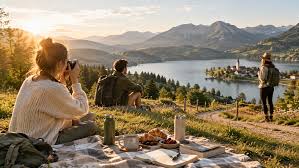
Taking a vacation once meant setting aside several days, booking accommodation, and traveling far enough to feel disconnected from everyday responsibilities. Today, many people are discovering that meaningful travel experiences do not necessarily require extended holidays. Microadventures, which involve short, accessible outdoor experiences or local explorations, are becoming an appealing alternative for individuals with demanding schedules. From weekend nature walks to spontaneous coastal trips, these smaller escapes allow people to experience something different without exhausting their vacation days or spending heavily on travel arrangements.
Changing Travel Priorities Among Busy Individuals
Traditional vacations often require considerable planning, financial preparation, and coordination with work commitments. Employees with limited annual leave, parents managing school schedules, and individuals balancing multiple responsibilities may find extended travel difficult. Microadventures provide an alternative by focusing on experiences that fit naturally into existing routines.
A short hiking trip, an overnight camping experience, or an afternoon exploring an unfamiliar neighborhood can provide a refreshing change from repetitive schedules. Rather than waiting months for a major holiday, people can introduce smaller recreational experiences throughout the year. This approach encourages individuals to view travel as an accessible part of life rather than an occasional luxury.
Exploring Nearby Destinations Through Public Transport
Accessibility plays an important role in the growing popularity of short adventures. Many interesting destinations are located within a reasonable distance of major cities, making them suitable for day trips or weekend outings. Travelers can explore botanical gardens, coastal walking trails, historic towns, and countryside attractions without arranging complicated itineraries.
Using public transport can make these experiences more affordable and convenient, particularly for individuals who prefer not to drive long distances. Trains, buses, and ferries connect many urban communities with recreational destinations, allowing travelers to enjoy the journey without worrying about parking or fuel expenses. Planning around available routes also encourages people to discover overlooked attractions closer to home.
Family Friendly Microadventures and Shared Experiences
Families often face additional challenges when organizing traditional vacations. Accommodation expenses, children’s routines, and competing schedules can make extended trips difficult to arrange. Short adventures provide opportunities for parents and children to spend meaningful time together without disrupting their usual commitments.
Family lifestyle resources such as TheParent can fit naturally into conversations about accessible recreational activities, outdoor learning, and shared family experiences. Visiting a wildlife sanctuary, organizing a picnic near a lake, or exploring a local heritage attraction can introduce children to unfamiliar environments. These activities also encourage curiosity, physical movement, and conversations that may receive less attention during busy weekdays.
Rediscovering Romance Through Short Getaways
Microadventures are not limited to solo travelers or families. Couples increasingly have opportunities to replace elaborate vacation plans with shorter experiences that emphasize shared interests and quality time. A sunset walk, a countryside breakfast, or a spontaneous visit to a nearby town can create memorable moments without requiring extensive preparation.
Travel and lifestyle inspiration associated with The Lovers Point reflects the broader appeal of discovering places where couples can relax and reconnect. Short romantic escapes can be particularly practical for individuals managing demanding careers or household responsibilities. Instead of concentrating all recreational time into one annual vacation, couples can explore new locations together more frequently.
Digital Inspiration Encouraging Local Exploration
Digital publications and online communities have also influenced the popularity of microadventures. Travelers can discover lesser known attractions, walking routes, seasonal activities, and regional experiences through articles and shared recommendations. This availability of information makes planning shorter trips easier, especially when time is limited.
Australian lifestyle platforms such as Melbwire.com.au can serve as part of the wider digital landscape where readers look for local interests, travel inspiration, and ideas for exploring their surroundings. Discovering nearby destinations through online content encourages individuals to reconsider familiar regions and recognize recreational possibilities that might otherwise remain unnoticed.
Making Short Adventures a Regular Lifestyle Choice
One reason microadventures remain appealing is their flexibility. They can be adjusted according to personal budgets, available time, weather conditions, and individual interests. Some people may prefer physically demanding activities such as cycling or hiking, while others enjoy photography walks, local food experiences, or quiet visits to natural surroundings.
Planning these experiences does not require an elaborate schedule. Setting aside one weekend morning each month or exploring a different destination during occasional free afternoons can gradually create a more varied recreational routine. Maintaining realistic expectations also helps travelers appreciate the experience without feeling pressured to visit multiple attractions.
Conclusion
Microadventures are changing the relationship between travel and available leisure time. They demonstrate that exploration does not always depend on distant destinations, expensive arrangements, or lengthy vacations. By making better use of nearby attractions and shorter periods of freedom, individuals can enjoy refreshing experiences throughout the year. As work commitments and personal responsibilities continue to influence travel decisions, smaller adventures offer a practical way to maintain curiosity, discover unfamiliar places, and make limited vacation time more rewarding.