
Arizona drivers do not wait long when a warning light flashes, an engine knocks, or the air conditioning dies in July heat. They grab a phone, search nearby, compare a few shops, and make a choice before the tow truck even arrives. That is why Local Search Optimization matters so much for repair businesses across Phoenix, Tucson, Mesa, Chandler, Glendale, and smaller communities where trust travels fast. A shop can have skilled technicians, fair pricing, and loyal repeat customers, yet still lose daily jobs to a weaker competitor that shows up first in local results.
For Arizona vehicle repair shops, search visibility is not a vanity metric. It decides who gets the call, who fills the service bays, and who becomes the familiar name in a neighborhood. Many owners already know word-of-mouth matters, but modern word-of-mouth now begins on Google Maps, review pages, service searches, and mobile results. Strong local visibility, supported by smart content and trusted placement through platforms like digital PR support for local businesses, helps repair shops turn online attention into scheduled appointments without sounding desperate for traffic.
Why Local Search Optimization Shapes Repair Shop Growth
Search behavior around vehicle repair is different from search behavior around slow, research-heavy purchases. A driver with a dead battery, grinding brakes, or a failing transmission is not browsing for fun. They are deciding under pressure, often from a parking lot, driveway, or roadside shoulder. That pressure rewards repair shops that appear clearly, confidently, and close to the customer’s location.
How Arizona vehicle repair shops win urgent local searches
Arizona vehicle repair shops compete in a market where timing matters as much as reputation. A customer in Tempe who searches for brake repair after hearing metal-on-metal noise wants a nearby answer, not a polished national brand article. Google often rewards businesses that provide strong location signals, service clarity, consistent business information, and steady customer feedback.
The counterintuitive part is that the best shop does not always win the search. The clearest shop often does. A repair business with plain service pages, accurate hours, strong reviews, and photos of the actual location can outrank a technically better shop that hides behind vague copy and outdated listings.
Local drivers also read between the lines. A shop with no recent reviews feels inactive, even if the bays are full. A listing with mismatched hours feels careless, even if the technicians are excellent. Online details create a silent first impression before anyone hears your service advisor’s voice.
Why local auto SEO must reflect real customer intent
Local auto SEO works when it mirrors how people describe their problems. Most drivers do not search like mechanics. They type phrases such as “car AC not blowing cold,” “check engine light near me,” or “brake noise when stopping.” A repair shop that only talks in technical service categories misses the language customers actually use.
A smart page connects the customer’s symptom to the service without making them feel uninformed. For example, a Scottsdale shop might create a brake repair page that mentions squealing, vibration, soft pedals, and dashboard warnings before explaining inspections and repair options. That approach meets the driver at the moment of concern.
Search engines also notice this fit. Pages that answer local questions clearly tend to hold attention longer and send stronger trust signals. You are not stuffing phrases into a page. You are proving that your shop understands the moment that pushed the customer to search in the first place.
Building Trust Before the First Phone Call
Visibility gets a repair shop seen, but trust gets the appointment booked. Arizona drivers are cautious for good reason. They worry about overcharging, vague diagnostics, unnecessary repairs, and shops that explain problems in a way that feels designed to confuse them. Search presence must lower that anxiety before the customer contacts you.
Review signals that matter to Arizona auto repair customers
Arizona auto repair customers read reviews with sharp instincts. They do not only count stars. They scan for patterns: honest estimates, clean waiting areas, clear explanations, finished work, and whether the shop stood behind repairs when something went wrong. A five-star average with thin comments can feel weaker than a slightly lower rating filled with detailed praise.
Review responses matter too. A calm, respectful reply to a complaint can build more trust than a dozen generic thank-you notes. People want to see how your shop behaves under pressure. That is when character shows.
Repair shops should ask satisfied customers for reviews soon after service, while the experience is fresh. The request should be simple and human, not pushy. A customer who just had their AC repaired before a Phoenix heat wave understands the value of that work, and their review can speak to the next driver facing the same problem.
Service pages that make local car repair services feel safer
Local car repair services need pages that reduce uncertainty. A strong service page explains symptoms, inspection steps, possible causes, and what the customer can expect when they arrive. It does not promise a fixed price before diagnosis, and it does not hide behind jargon that makes the owner feel small.
Specificity builds confidence. A page about cooling system repair should mention overheating in stop-and-go traffic, coolant leaks, radiator issues, thermostat problems, and the risk of ignoring rising temperature gauges in Arizona weather. That local detail tells the customer the shop understands conditions they drive through every day.
The best repair content feels like a good service advisor talking across the counter. It explains enough to help the customer make a smart decision, but it does not bury them in mechanical theory. Clear beats clever every time here.
Turning Map Visibility Into Real Appointments
Map rankings can make or break a repair shop’s week. A business can rank well on a broad search page and still lose calls if its Google Business Profile looks weak beside nearby competitors. Customers compare distance, rating, photos, services, hours, and review language in seconds. The choice happens fast.
Google Business Profile habits for Arizona vehicle repair shops
Arizona vehicle repair shops need active profiles, not forgotten listings. The profile should show correct categories, current hours, real exterior photos, shop interior shots, staff images, service areas, and a clear list of repairs offered. A customer should recognize the building when they drive up.
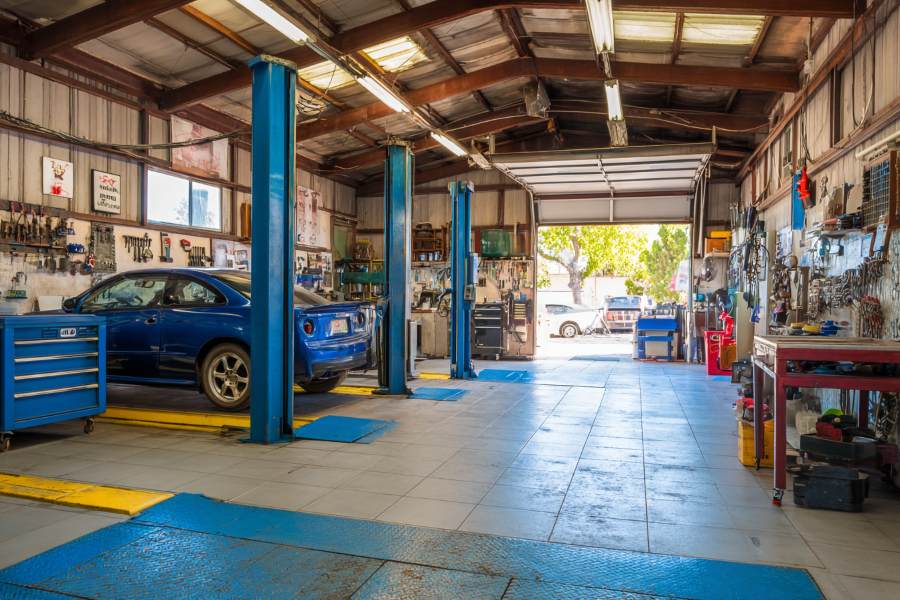
Photos carry more weight than many shop owners expect. Clean bays, diagnostic tools, signage, waiting space, and team members give the listing texture. Stock images do the opposite. They make a local business feel distant, and distance kills trust in a service built on proximity.
Posts, updates, and seasonal notes also help. A shop can mention summer AC inspections, battery strain during heat, monsoon-season visibility checks, or pre-road-trip inspections before holiday travel. Those updates show the business is awake and paying attention to what local drivers need now.
How neighborhood relevance beats broad city targeting
Broad city targeting can look attractive, but neighborhood relevance often brings better calls. A Phoenix repair shop near Arcadia should not pretend it serves the entire metro with equal convenience. It can speak to nearby drivers, commuter routes, local landmarks, and common vehicle needs in that area.
This is where many shops make a quiet mistake. They chase the biggest city keyword while ignoring the smaller searches that convert faster. A driver five minutes away is often more valuable than a driver thirty minutes away who will never cross town for an oil leak inspection.
Local auto SEO should support realistic service reach. Pages can mention nearby communities, but only when the shop can genuinely serve them. Search engines dislike empty location stuffing, and customers dislike it more. Relevance has a smell. People know when it is fake.
Creating a Search Strategy That Keeps Working
One strong page or clean listing can help, but long-term search growth comes from steady habits. Repair shops operate in cycles: AC spikes in summer, batteries fail under heat, tires suffer on rough roads, and brakes wear under daily commuting. A search strategy should match those rhythms instead of treating every month the same.
Content that answers real repair concerns
Local car repair services earn stronger search results when content comes from real customer questions. Service advisors hear these questions daily: Can I drive with this light on? Why does my car shake at highway speed? Is it safe to wait until payday? Does Arizona heat damage batteries faster? Those questions are content gold.
A useful blog or service guide should not sound like a textbook. It should sound like someone who has explained the same issue to hundreds of drivers and knows where confusion begins. That kind of writing builds authority because it carries the shape of real experience.
Seasonal timing also matters. Publish AC and cooling content before peak heat arrives. Talk about battery testing before long summer trips. Cover tire, wiper, and visibility concerns before monsoon storms. Search rewards helpful timing because customers reward it first.
Measuring the leads that search actually brings
Search reports can drown a shop owner in numbers that do not matter. Rankings, impressions, and clicks mean little if the phone stays quiet. The better question is simple: which searches lead to calls, form fills, direction requests, and booked repair orders?
Call tracking, appointment forms, and profile insights can show where leads begin. A shop may discover that transmission pages bring fewer visits but higher-ticket jobs, while oil change searches bring volume with thinner margins. That knowledge changes how the business invests in content.
Local Search Optimization should never become a guessing game. Watch which pages bring booked work, which neighborhoods respond, and which services create profitable demand. Then build more around what proves itself in the real world.
Conclusion
Repair shops do not need to become media companies to win online. They need to become easier to find, easier to trust, and easier to choose at the exact moment a driver needs help. That means accurate listings, useful service pages, review habits, location clarity, and content shaped around real repair concerns.
The Arizona market rewards shops that understand urgency without sounding frantic. A driver with a failing AC system in Mesa or a brake concern in Tucson wants confidence, not a sales pitch. Local Search Optimization gives your shop a stronger chance to meet that driver before a competitor does, but the real win comes after the click: a clear answer, a fair process, and a repair experience worth recommending.
Start with the search result a customer sees first, fix every weak signal, and build from there. The shop that becomes easiest to trust online becomes the shop more drivers choose offline.
Frequently Asked Questions
What is the best local search strategy for Arizona vehicle repair shops?
The best strategy starts with a complete Google Business Profile, strong service pages, steady review requests, and accurate listings across the web. Focus on real repair needs in your city or neighborhood instead of chasing broad traffic that does not turn into appointments.
How does local auto SEO help repair shops get more calls?
Local auto SEO helps your shop appear when nearby drivers search for urgent services such as brake repair, AC repair, diagnostics, or oil leaks. Better visibility increases calls, direction requests, and booked appointments from customers already looking for help.
Why do Arizona auto repair reviews affect local rankings?
Reviews show both search engines and customers that your shop is active, trusted, and relevant. Detailed reviews mentioning specific services, locations, and customer experiences can strengthen your local presence while making nervous drivers feel safer choosing your business.
What should local car repair services include on their website?
A repair shop website should include service pages, location details, hours, contact options, customer reviews, photos, warranty information, and clear explanations of common vehicle problems. Each page should help the customer understand what happens before, during, and after the repair.
How often should a repair shop update its Google Business Profile?
A shop should update its profile whenever hours, services, photos, or contact details change. Seasonal posts every few weeks also help show activity, especially for Arizona-specific needs such as AC checks, battery testing, and monsoon driving preparation.
Can small Arizona vehicle repair shops compete with dealership service centers?
Small shops can compete well when they focus on local trust, faster communication, fair explanations, and neighborhood relevance. Dealerships may have brand power, but independent shops often win customers by feeling closer, clearer, and easier to work with.
Which services should an auto repair shop promote for local search?
Promote services customers search for under pressure, including brake repair, AC repair, check engine diagnostics, battery replacement, oil leak repair, transmission service, tire repair, and cooling system work. The best pages connect symptoms to services in plain language.
How long does local search growth take for a repair shop?
Local search growth usually builds over months, not days. Shops often see early gains from fixing listings and profiles, while stronger results come from reviews, content, and service-page improvements that keep earning trust over time.