
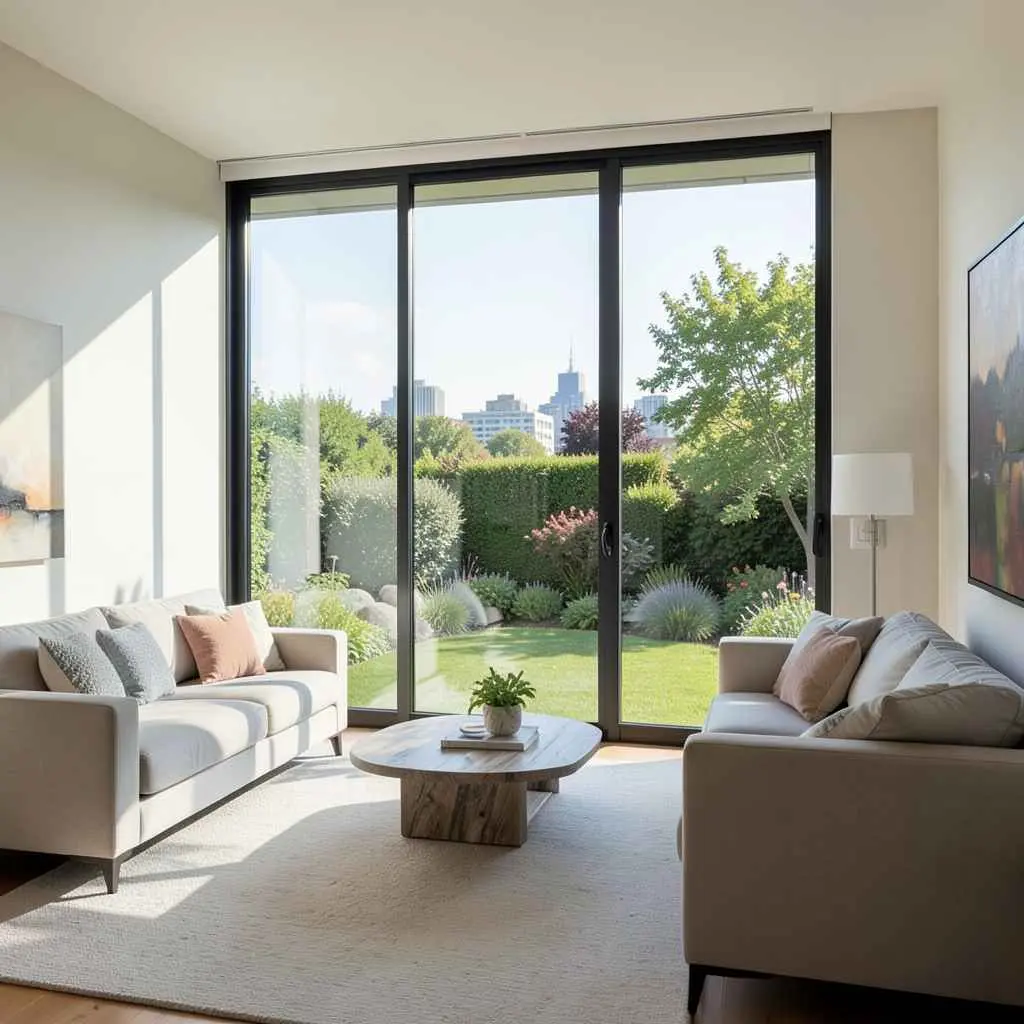
A home can feel tired long before anything is broken. The sofa still works, the walls still stand, the table still holds dinner, yet the room stops giving you energy. That is where home design ideas matter most: not as decoration for decoration’s sake, but as a practical way to make everyday life feel sharper, calmer, and more personal.
Good design does not always start with expensive furniture or dramatic renovation. Often, the strongest change comes from seeing your rooms with honest eyes. You notice the corner that collects clutter, the lighting that makes the evening feel flat, the layout that forces people to walk around furniture instead of through the room. Small choices begin to add up.
Your living space should support how you live now, not how the room looked five years ago. When your home reflects your habits, taste, and daily rhythm, it stops feeling like a place you manage and starts feeling like a place that works with you.
Home Design Ideas That Begin With How You Actually Live
Design fails when it starts with trends instead of behavior. A room may look polished in a photo, but if it fights your routine, you will feel that friction every day. The smartest approach begins with one question: what do you need this space to do before it needs to look impressive?
Build the Room Around Real Daily Movement
Every home has traffic patterns, even if nobody calls them that. You enter, drop keys, charge a phone, sit down, carry laundry, serve food, open windows, close blinds, and move between rooms without thinking. Poor room design tips ignore this movement and focus only on what looks balanced from one angle.
A living room, for example, should not make guests squeeze between a coffee table and sofa. A bedroom should not force you to walk around a chair every morning to reach the closet. A dining area should not become a storage zone because there is no proper place for bags, paperwork, or small daily items.
The fix is often simple. Pull furniture slightly away from walkways. Give each high-use item a clear home. Place a narrow console near the entrance instead of letting clutter spread across the nearest surface. This is where practical living space design earns its value: it removes tiny annoyances before they become part of the room’s personality.
Let Comfort Lead Before Style Takes Over
A beautiful room that feels uncomfortable becomes a showroom you happen to sleep in. That is a poor trade. Fresh interior ideas should make the space easier to use, easier to enjoy, and easier to maintain.
Comfort starts with scale. Oversized furniture can swallow a small room, while tiny pieces can make a large space feel unfinished. The goal is not to fill every wall or corner. The goal is to create enough visual weight that the room feels settled without becoming heavy.
Texture also changes comfort fast. A flat room with smooth floors, bare walls, and sharp surfaces can feel cold even when the colors are warm. Add woven fabric, soft curtains, a textured rug, ceramic pieces, wood grain, or matte finishes. These details give the eye somewhere to rest. They also make the room feel lived-in rather than staged.
Create Visual Flow Without Making Every Room Match
A home should feel connected, but not copied from room to room. Matching everything can drain character from the space. The better move is to create a visual thread that ties rooms together while giving each area its own mood.
Use Color as a Connection, Not a Cage
Color works best when it guides the eye quietly. Many people choose one color and repeat it across every room until the whole home starts to feel predictable. A stronger method is to build a small color family and shift its role from space to space.
One room might use warm beige on the walls, another might carry that warmth through wood furniture, and another might bring it in through cushions or artwork. The connection is there, but it does not feel forced. This gives your home decor inspiration more depth because the design feels collected over time.
Contrast matters too. A pale room needs a few darker notes to avoid looking washed out. A dark room needs lighter surfaces to keep the mood from becoming dense. Think of color like pacing in a story. Too much sameness puts the reader to sleep; too much contrast makes the page feel chaotic.
Repeat Materials With Intention
Materials create quiet unity. Wood, stone, glass, linen, metal, clay, and wool all carry a different emotional weight. When you repeat one or two materials across your home, the rooms begin to speak the same design language without becoming identical.
A walnut coffee table in the living room can connect to open wood shelves in the kitchen. Brushed brass hardware in the hallway can echo a lamp base in the bedroom. Linen curtains in one room can relate to linen bedding in another. These links are subtle, but they help living space design feel planned rather than accidental.
The mistake is repeating everything at the same strength. If every room has the same wood tone, same metal finish, same rug style, and same wall color, the home loses tension. Let one room lean warmer, another cleaner, another softer. Consistency should guide the home, not flatten it.
Make Small Design Changes That Carry Real Weight
A full renovation sounds exciting until the cost, dust, delay, and decision fatigue arrive. Most homes do not need a full reset. They need targeted changes that fix the weak points. This is where thoughtful home design ideas can outperform a large budget.
Upgrade Lighting Before Buying More Decor
Lighting changes how every object in the room behaves. A cheap chair can look better under warm layered lighting, while an expensive sofa can look dull under one harsh ceiling fixture. Many rooms feel unfinished because the lighting is doing all the work from the wrong place.
Use three layers where possible. Ambient lighting handles the overall glow. Task lighting helps with reading, cooking, grooming, or work. Accent lighting draws attention to art, shelves, plants, or architectural details. A room with these layers feels deeper because the eye moves through light and shadow.
Bulb temperature matters more than most people expect. Cool white light can make a living room feel like an office. Warm light tends to suit bedrooms, lounges, dining spaces, and cozy corners. For kitchens and work areas, a balanced neutral light can help without making the room feel clinical. These room design tips cost less than new furniture and often create a stronger result.
Give One Wall a Clear Purpose
Blank walls can make a room feel unfinished, but random wall decor can make it worse. A wall needs intention. It can hold art, storage, texture, shelving, a mirror, or a single strong color, but it should not become a dumping ground for pieces that had nowhere else to go.
A large mirror can brighten a narrow hallway and make it feel wider. A gallery wall can tell a family story when the frames share some visual order. Floating shelves can work well when they display fewer pieces with more breathing room. Wall paneling can add depth in a bedroom without requiring bold color.
The counterintuitive truth is that one strong wall often beats four mildly decorated ones. When every surface competes, the room becomes noisy. When one wall leads, the rest of the room can support it. That balance makes fresh interior ideas feel mature rather than busy.
Add Personality Without Creating Visual Clutter
Personality is the part of design that makes a house feel owned. It should not look like a furniture catalog with a mailing address. At the same time, personal details need editing, or they become clutter with sentimental permission.
Display Fewer Things With More Meaning
Most people do not need more decor. They need better editing. A shelf holding twelve small objects often says less than one large vase, two books, and a framed photo with room around them. Space gives meaning to the objects you choose to show.
Personal items work best when they are grouped with care. Travel pieces, family photos, handmade ceramics, vintage finds, and books can look rich when arranged by scale, tone, or material. Scattered everywhere, the same items feel messy.
This does not mean your home should become minimal. It means each visible object should earn its place. Strong home decor inspiration comes from identity, not quantity. A room with fewer, better-chosen pieces can feel warmer than a room filled with objects that never get noticed.
Mix Old and New So the Room Feels Alive
Rooms built entirely from new pieces often look flat. Everything arrives at once, ages at once, and carries the same showroom energy. Older items add friction, and that friction is useful. A worn wooden side table, a framed family print, an old trunk, or a vintage lamp can interrupt the smoothness in a good way.
New pieces bring function and freshness. Older pieces bring memory and depth. The mix keeps the room from feeling temporary. It also gives you freedom to design at a slower pace instead of buying everything in one pass.
Balance matters here. Too many old pieces can make a space feel heavy. Too many new pieces can make it feel anonymous. Use fresh interior ideas to sharpen the room, then use personal pieces to give it a pulse. That is the difference between a styled space and a home that feels alive.
Conclusion
Your home does not need to become perfect to become better. It needs clearer choices, better flow, stronger lighting, honest editing, and a closer connection to the way you live each day. The best rooms are not the ones that chase every trend; they are the ones that understand their purpose and express it with confidence.
Start with the area that bothers you most. Fix the layout, adjust the lighting, remove what weakens the room, and add one detail that feels personal. That first change will show you what the space has been missing. From there, home design ideas become less about copying looks and more about building a home that supports your life with style, comfort, and intention. Choose one room today and make it work harder for you.
Frequently Asked Questions
What are the best fresh interior ideas for a small living room?
Use lighter wall colors, slim furniture, layered lighting, and one strong focal point. Avoid filling every corner. A small living room feels larger when the walkway stays clear, the furniture fits the scale, and storage is built into pieces you already use.
How can I improve living space design without renovating?
Start with layout, lighting, and editing. Move furniture away from blocked paths, add floor or table lamps, remove unused decor, and organize visible surfaces. These changes can shift the entire mood of a room without construction or major spending.
What room design tips make a home feel more modern?
Use cleaner lines, fewer small objects, better lighting, and a controlled color palette. Modern design does not mean cold or empty. It works best when simple shapes, warm textures, and useful furniture create a calm, current feel.
How do I choose colors for home decor inspiration?
Choose one main neutral, one supporting tone, and one accent color. Repeat them in different ways across furniture, textiles, art, and accessories. This keeps the home connected while allowing each room to have its own character.
What is the easiest way to refresh a bedroom?
Change the bedding, improve bedside lighting, clear the surfaces, and add texture through curtains, rugs, or cushions. A bedroom should feel calm first. Once the practical clutter disappears, even modest design updates look more intentional.
How can I make my home feel cozy but not cluttered?
Use soft textures, warm light, natural materials, and meaningful objects with space around them. Cozy rooms do not need crowded shelves or excess furniture. They need warmth, comfort, and enough empty space for the eye to relax.
Which design mistake makes rooms look unfinished?
Poor lighting is often the biggest issue. A single ceiling light can make a room feel flat, no matter how good the furniture is. Add lamps, wall lights, or accent lighting to create depth and make the room feel complete.
How often should I update my living space design?
Review your space every season, but make larger changes only when your needs shift. A growing family, new work routine, lifestyle change, or worn furniture can all signal that the room needs attention. Good design grows with you.